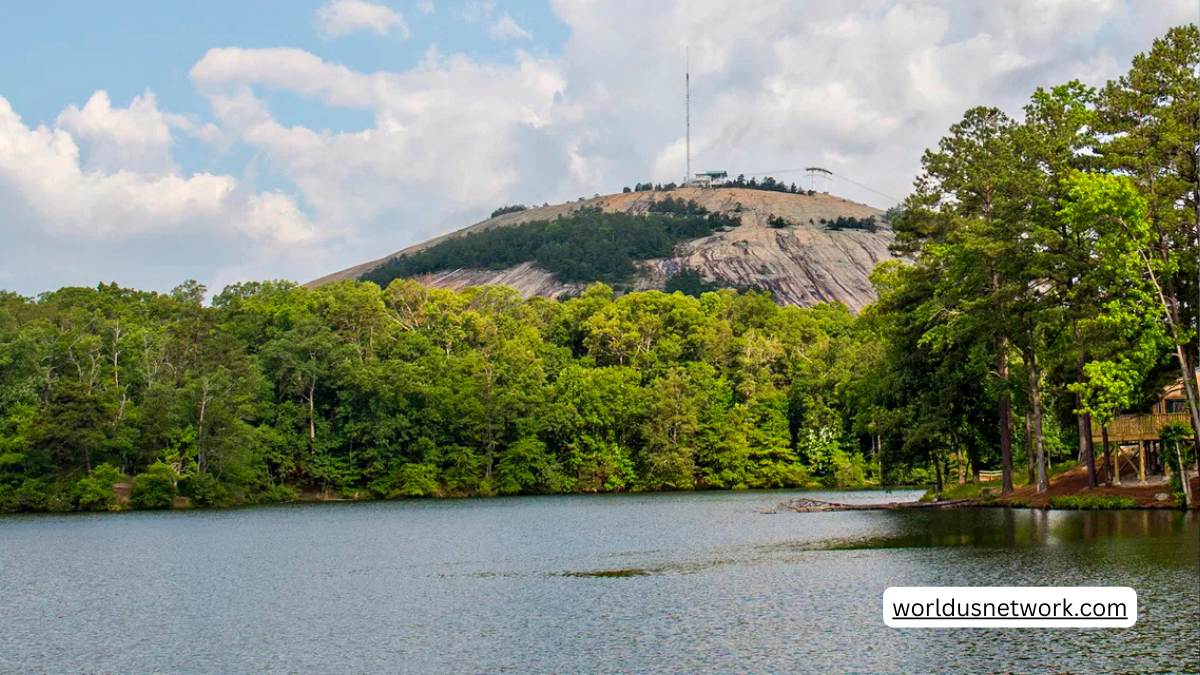
Understanding stone mountain weather is essential for anyone planning to explore the iconic granite landmark, hike its famous trails, or spend a day outdoors in the surrounding parkland. Located just outside Atlanta, Stone Mountain experiences a dynamic climate shaped by the southeastern United States’ humid subtropical weather patterns.
From warm summers and colorful autumns to mild winters and vibrant springs, the area’s climate shifts throughout the year in ways that affect travel plans, outdoor recreation, and local life. This comprehensive guide explains seasonal conditions, temperature trends, rainfall patterns, and practical tips so you can make the most of every visit.
Climate Overview Around Stone Mountain
The climate that defines stone mountain weather is classified as humid subtropical, meaning summers are warm and humid while winters remain relatively mild. This pattern is common throughout northern Georgia and helps create the lush forests and diverse ecosystems surrounding the mountain.
Average yearly temperatures typically range from the low 40s°F (around 5°C) in winter nights to highs in the upper 80s°F (around 31°C) during summer afternoons. Seasonal rainfall and occasional thunderstorms also shape the local environment, influencing everything from trail conditions to visibility from the summit.
Seasonal Weather Patterns
Throughout the year, stone mountain weather transitions through distinct seasonal phases that make each visit unique. While temperature changes are noticeable, the most dramatic shifts involve humidity levels, rainfall patterns, and foliage changes across the landscape.
Visitors often notice that mornings can start cool and comfortable before warming rapidly during the afternoon, especially from late spring through early fall. These daily fluctuations make it important to plan outdoor activities with flexible schedules and layered clothing.
Spring Weather Conditions
Spring is one of the most pleasant periods for experiencing stone mountain weather, as temperatures gradually rise and the surrounding forests burst into bloom. Daytime highs generally range between 65°F and 78°F, creating ideal conditions for hiking and sightseeing.
Rain showers become more frequent during this season, often arriving as brief afternoon storms. Despite the occasional rain, spring remains a favorite time for photographers and nature enthusiasts who want to see wildflowers, green foliage, and clear mountain views.
Summer Climate and Heat Levels
Summer brings the warmest phase of stone mountain weather, with daytime temperatures frequently reaching the upper 80s or low 90s°F. Humidity levels increase significantly, which can make the air feel warmer than the actual temperature.
Afternoon thunderstorms are common during summer months, often forming quickly but passing just as fast. Early mornings and evenings tend to be the most comfortable times for outdoor activities such as hiking, cycling, or walking around the lake.
Autumn Weather and Fall Colors
Autumn introduces cooler, calmer conditions that many locals consider the best season for enjoying stone mountain weather. Temperatures usually range from the mid-60s to mid-70s°F during the day, with crisp mornings and comfortable evenings.
The surrounding forests transform into vibrant shades of red, orange, and gold, drawing visitors who want to experience fall foliage across Georgia. Lower humidity levels also make the air clearer, providing excellent visibility from the mountain summit.
Winter Weather and Cooler Temperatures
Winter conditions in stone mountain weather are generally mild compared to northern regions of the United States. Daytime temperatures often reach the mid-50s°F, while nighttime lows can dip into the 30s.
Snowfall is rare but not impossible, and when it does occur it creates a dramatic landscape around the granite dome. Even without snow, winter offers peaceful hiking opportunities with fewer crowds and expansive views through leafless trees.
Monthly Temperature and Rainfall Overview
Understanding monthly averages can help travelers anticipate typical stone mountain weather conditions throughout the year. The following table summarizes general climate trends for the region.
| Month | Avg High °F | Avg Low °F | Rainfall (inches) | Weather Notes |
|---|---|---|---|---|
| January | 52 | 33 | 4.7 | Cool mornings, occasional frost |
| February | 56 | 36 | 4.6 | Gradual warming begins |
| March | 64 | 43 | 5.1 | Early spring showers |
| April | 72 | 50 | 3.8 | Comfortable temperatures |
| May | 79 | 59 | 3.7 | Ideal outdoor weather |
| June | 86 | 67 | 4.0 | Increasing humidity |
| July | 89 | 71 | 5.0 | Hot afternoons, storms |
| August | 88 | 70 | 4.2 | Peak summer heat |
| September | 83 | 64 | 3.5 | Cooler evenings begin |
| October | 74 | 53 | 3.3 | Peak fall foliage |
| November | 64 | 43 | 3.9 | Crisp and pleasant |
| December | 55 | 36 | 4.3 | Mild winter conditions |
These averages provide a helpful baseline, though actual conditions can vary depending on broader regional weather systems.
Daily Weather Changes and Microclimates
Although regional forecasts provide general guidance, stone mountain weather can sometimes vary slightly due to local terrain features. The large granite dome absorbs heat during the day and releases it slowly after sunset, influencing nearby air temperatures.
This effect may create subtle microclimates around the mountain, especially near rocky surfaces and open summit areas. Hikers often notice slightly warmer conditions near exposed rock compared with shaded forest trails below.
Forecasting Tools and Weather Monitoring
Modern forecasting technology makes it easier than ever to track stone mountain weather before heading outdoors. Mobile weather apps, radar systems, and hourly forecasts help visitors anticipate temperature changes or approaching storms.
Local meteorologists frequently emphasize the importance of checking forecasts before outdoor plans. As one regional weather expert explains, “Mountain environments can amplify sudden weather changes, so preparation always improves safety and comfort.”
Weather Impact on Outdoor Activities
Outdoor recreation is heavily influenced by stone mountain weather, especially for hikers, cyclists, and families visiting the park. Warm sunny days encourage climbing the summit trail, while cooler seasons are perfect for long scenic walks.
Weather conditions also affect seasonal events, laser shows, and outdoor festivals that draw large crowds each year. Understanding temperature patterns and rainfall timing helps visitors choose the most comfortable days for their activities.
Travel Tips for Different Seasons
Planning around stone mountain weather can significantly improve the overall visitor experience. Simple preparation steps such as checking forecasts, bringing water, and wearing breathable clothing can make outdoor exploration far more enjoyable.
For summer visits, early morning arrivals help avoid peak heat and crowds. During cooler months, layered clothing ensures comfort as temperatures shift between morning and afternoon.
Long-Term Climate Trends
Over the past several decades, regional climate patterns have influenced stone mountain weather in subtle ways. Many meteorologists observe slightly warmer average temperatures and shifts in rainfall distribution across parts of the southeastern United States.
These changes can affect vegetation cycles, wildlife behavior, and seasonal tourism patterns. While yearly variations are natural, long-term monitoring helps scientists understand how climate evolution may shape the region in the future.
Conclusion
The patterns that define stone mountain weather reflect the broader climate of northern Georgia while maintaining unique characteristics influenced by the massive granite landscape. Warm summers, mild winters, colorful autumns, and refreshing springs create a year-round destination for outdoor enthusiasts.
Whether you are planning a hike to the summit, attending a seasonal festival, or simply exploring the surrounding park, understanding local weather patterns ensures a more enjoyable experience. With the right preparation and timing, every season offers its own memorable perspective of Stone Mountain.
FAQ
What is the typical climate of Stone Mountain?
The climate is humid subtropical, meaning stone mountain weather usually includes hot summers, mild winters, and moderate rainfall throughout the year.
When is the best time to visit Stone Mountain?
Many travelers prefer spring and fall when stone mountain weather offers comfortable temperatures, lower humidity, and excellent visibility for hiking and sightseeing.
Does Stone Mountain ever get snow?
Snow is uncommon, but it can occur occasionally during winter when cold air systems affect stone mountain weather across northern Georgia.
How hot does Stone Mountain get in summer?
During peak summer months, stone mountain weather can bring afternoon temperatures around 88–92°F with higher humidity levels.
Are thunderstorms common in the area?
Yes, especially during late spring and summer when stone mountain weather often includes short but intense afternoon thunderstorms.