Few places on Earth feel as otherworldly as the vast desert stretching across northern Chile. The south america atacama region captivates travelers, scientists, photographers, and explorers alike with landscapes that appear sculpted by imagination rather than nature. Towering volcanoes, shimmering salt flats, lunar valleys, and some of the clearest skies on the planet combine to create an environment that feels both ancient and futuristic at once.
This comprehensive guide explores the geography, culture, travel strategies, science, and experiences that make this desert one of the most compelling destinations in the world. Whether you are planning a journey, researching ecological extremes, or simply fascinated by remote environments, this resource is designed to deliver deep insight while remaining accessible, practical, and engaging.
Geographic Identity and Location
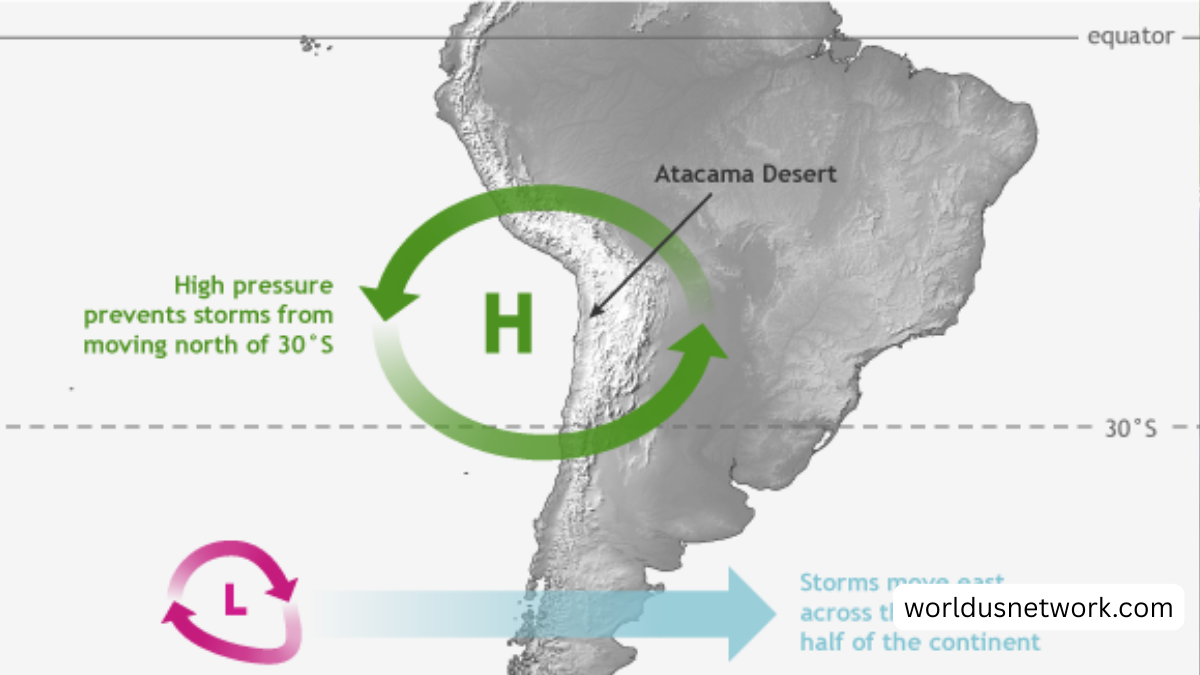
The Atacama Desert occupies a narrow strip along the Pacific coast of northern Chile, bordered by the Andes Mountains to the east and the Coastal Range to the west. This unique positioning creates one of the driest climates on Earth, as mountain barriers block moisture from both oceanic and continental weather systems. Understanding this geography is essential to appreciating why the south america atacama stands apart from other deserts globally.
Unlike sprawling sandy deserts often imagined in popular culture, this region is a mosaic of ecosystems shaped by altitude. Coastal fog zones, high-altitude salt basins, volcanic plateaus, and mineral-rich valleys coexist within relatively short distances. The elevation changes dramatically across the landscape, influencing temperature, biodiversity, and even the color palette visitors experience throughout the day.
Climate and Environmental Extremes
Rainfall in parts of the desert has been historically measured in millimeters per decade rather than per year. Some weather stations recorded years without measurable precipitation, reinforcing the reputation of the south america atacama as the driest non-polar desert on Earth. Yet despite its dryness, the region is far from lifeless.
Temperature swings define daily life here. Warm sunlight dominates daytime hours, while nights can become surprisingly cold due to clear skies and minimal atmospheric moisture. These conditions shape everything from plant survival strategies to human settlement patterns, making climate a central element of the desert’s identity.
Origins of an Ancient Landscape
Geologists believe the Atacama’s aridity developed millions of years ago through tectonic uplift and ocean current shifts. The Andes rose gradually, altering atmospheric circulation patterns and preventing moisture from reaching inland basins. Over time, evaporation exceeded precipitation to such an extreme degree that soil chemistry transformed permanently.
Mineral deposits accumulated rather than washing away, creating vast nitrate and lithium reserves. These geological processes turned the desert into both a scientific treasure and an economic resource, illustrating how long-term environmental forces can redefine entire regions.
Landscapes That Feel Like Another Planet
Visitors frequently describe the terrain as extraterrestrial, and scientists often use parts of the south america atacama as analog environments for Mars research. Jagged rock formations, oxidized soils, and vast salt crusts mimic conditions observed on other planets, attracting space agencies and researchers from around the world.
Valleys carved by ancient wind erosion reveal layers of sediment colored in reds, ochres, and whites. Sunrise and sunset dramatically alter these tones, transforming familiar scenery into something entirely new within minutes. The absence of vegetation in many areas intensifies the visual impact, allowing geological structures to dominate the horizon.
Indigenous Heritage and Cultural Continuity
Long before modern tourism arrived, Indigenous communities adapted to this challenging environment through deep ecological knowledge. Groups such as the Atacameño people developed agricultural methods that relied on limited water sources, terrace farming, and seasonal migration.
Cultural traditions remain visible today in village architecture, textiles, and festivals that celebrate ancestral connections to land and sky. These traditions highlight resilience and demonstrate that even extreme environments can support thriving human cultures when approached with respect and ingenuity.
Astronomy and the Clearest Skies on Earth
High altitude, minimal humidity, and near-constant cloudless conditions make the desert one of the best astronomical observation sites worldwide. Observatories dot the mountains, taking advantage of atmospheric stability rarely found elsewhere. Researchers studying distant galaxies rely heavily on facilities located within the south america atacama region.
The experience is equally transformative for casual visitors. Standing beneath a sky dense with stars often shifts perspectives about scale and existence. As astronomer Carl Sagan once observed, “Somewhere, something incredible is waiting to be known,” a sentiment perfectly matched by nights spent under these pristine celestial views.
Wildlife Adaptation in Extreme Conditions
Despite its harsh climate, the desert supports specialized wildlife uniquely adapted to scarcity. Flamingos feed in mineral-rich lagoons, foxes roam rocky plains, and hardy insects survive with minimal water intake.
Adaptation strategies include nocturnal behavior, efficient moisture retention, and reliance on fog condensation. These biological innovations reveal nature’s remarkable capacity to evolve solutions even in environments once considered nearly sterile.
Salt Flats and Mineral Worlds
Salt flats form when ancient lakes evaporate, leaving crystalline surfaces that stretch for kilometers. The reflective quality of these landscapes creates surreal visual effects, particularly after rare rainfall events that produce mirror-like reflections.
Within the south america atacama, these salt basins also hold significant lithium deposits, now central to global renewable energy supply chains. The intersection of natural beauty and industrial importance highlights ongoing debates about sustainability and resource management.
Geysers, Thermal Fields, and Subsurface Energy
Geothermal activity reveals the dynamic forces beneath the desert’s quiet surface. Early morning visits to geyser fields showcase steam columns rising dramatically against freezing dawn temperatures.
These geothermal systems result from volcanic heat interacting with underground water sources. They remind visitors that even the driest landscapes conceal powerful hydrological and geological processes below ground.
Volcanoes and High-Altitude Peaks
Dozens of volcanoes define the skyline, many exceeding 5,000 meters in elevation. Snow occasionally crowns their summits, contrasting sharply with surrounding arid plains.
For climbers and researchers, these mountains provide opportunities to study altitude adaptation and volcanic history. The sense of scale reinforces how environmental extremes coexist within relatively small geographic ranges.
Photography and Visual Storytelling
Photographers are drawn to the desert’s clarity of light and dramatic contrasts. Shadows appear sharper, colors richer, and horizons seemingly endless due to the lack of atmospheric haze.
Golden-hour lighting transforms valleys into shifting canvases. Even amateur photographers often produce striking images simply because the environment itself provides natural composition and depth.
Travel Logistics and Accessibility
Most journeys begin in the town of San Pedro de Atacama, a hub that balances tourism infrastructure with traditional desert aesthetics. Despite its remote location, transportation networks make reaching the south america atacama increasingly accessible.
Travelers typically combine guided excursions with independent exploration. Altitude acclimatization is essential, as rapid elevation changes can affect even experienced adventurers. Planning slower itineraries improves both safety and enjoyment.
Best Time to Visit
The desert welcomes visitors year-round, but seasonal differences influence experiences. Summer months bring warmer nights and occasional storms known locally as the “Altiplanic winter.”
Winter offers clearer skies and colder temperatures, often ideal for astronomy enthusiasts. Choosing the right season depends largely on personal priorities such as photography, hiking comfort, or stargazing conditions.
Accommodation Styles and Experiences
Lodging ranges from simple hostels to architecturally innovative eco-lodges designed to blend into the environment. Many accommodations emphasize sustainability through solar energy and water conservation.
Staying in locally owned properties often enhances cultural immersion. Guests frequently participate in guided storytelling sessions or culinary experiences that deepen understanding of regional traditions.
Culinary Traditions of the Desert
Food in the region reflects scarcity transformed into creativity. Ingredients such as quinoa, corn, llama meat, and native herbs form the basis of traditional meals.
Modern chefs reinterpret these elements through contemporary techniques while preserving heritage flavors. Dining becomes an exploration of adaptation, illustrating how cuisine evolves alongside environment south america atacama.
Adventure Activities and Outdoor Exploration
Adventure tourism thrives in the desert’s vast open spaces. Sandboarding, cycling across salt flats, and high-altitude trekking attract visitors seeking active experiences within dramatic scenery.
The south america atacama provides an ideal setting for exploration because routes vary widely in difficulty. Beginners and seasoned adventurers alike find opportunities tailored to their comfort levels.
Wellness and Silence as Experiences
Many travelers discover that the desert’s greatest offering is silence. With minimal urban noise and expansive horizons, the environment encourages reflection and mental reset.
Wellness retreats increasingly incorporate meditation, yoga, and mindful walking practices. The landscape’s simplicity helps visitors disconnect from digital distractions and reconnect with sensory awareness.
Sustainability and Responsible Tourism
Growing visitor numbers bring economic opportunity alongside environmental challenges. Water management remains a critical issue in one of the world’s driest regions.
Responsible tourism initiatives encourage reduced waste, local sourcing, and respectful interaction with fragile ecosystems. Travelers play a direct role in preserving the desert’s integrity for future generations.
Cultural Etiquette and Respectful Travel
Understanding local customs enhances both visitor experiences and community relationships. Greeting residents respectfully and supporting local artisans fosters meaningful exchange rather than superficial tourism south america atacama.
Photography etiquette, particularly in villages and sacred sites, requires awareness and permission. Cultural sensitivity ensures that tourism strengthens rather than disrupts traditional ways of life.
The Future of Exploration and Research
Scientific interest in the desert continues to grow as climate research, planetary science, and renewable energy development expand. The south america atacama serves as a natural laboratory for studying extreme survival conditions.
Future exploration may blend tourism, education, and scientific collaboration. As technology advances, the region could become even more central to understanding Earth’s environmental limits and possibilities.
Comparing Key Regions of the Atacama
The desert contains diverse subregions, each offering distinct experiences shaped by altitude, geology, and accessibility. Understanding these differences helps travelers design itineraries aligned with their interests.
Below is a simplified comparison highlighting major zones and their defining characteristics within the south america atacama landscape.
| Region | Elevation Range | Key Features | Ideal For | Visitor Experience |
|---|---|---|---|---|
| Coastal Atacama | Sea level–1,000 m | Fog oases, cliffs | Nature study | Cooler, atmospheric |
| Central Basin | 2,000–2,500 m | Salt flats, valleys | Photography | Iconic desert scenery |
| Altiplano Highlands | 3,500–4,500 m | Lagoons, wildlife | Wildlife viewing | Remote and serene |
| Volcanic Zone | 4,500 m+ | Peaks, geothermal fields | Adventure travelers | Rugged exploration |
Why the Atacama Captures Global Imagination
Part of the desert’s appeal lies in contrast. Extreme dryness coexists with vibrant sunsets, harsh terrain with delicate ecosystems, and ancient traditions with cutting-edge science.
The south america atacama challenges assumptions about what deserts represent. Rather than emptiness, it reveals complexity, resilience, and beauty shaped by millions of years of natural evolution.
Conclusion
The Atacama Desert stands as one of Earth’s most compelling environments, blending scientific significance, cultural heritage, and unforgettable landscapes into a single destination. From stargazing beneath pristine skies to walking across ancient salt flats, every experience emphasizes scale, time, and adaptation south america atacama.
Exploring the south america atacama is not merely travel; it is perspective. Visitors leave with a deeper understanding of nature’s extremes and humanity’s capacity to live harmoniously within them. As global interest continues to grow, thoughtful exploration ensures this extraordinary desert remains both protected and inspiring for generations to come.
Frequently Asked Questions
What makes the south america atacama unique compared to other deserts?
The south america atacama is considered the driest non-polar desert on Earth and combines extreme aridity with high-altitude ecosystems, world-class astronomy conditions, and diverse geological formations rarely found together elsewhere.
Is the south america atacama safe for travelers?
Yes, the south america atacama is generally safe when travelers acclimatize properly to altitude, stay hydrated, and follow guidance from local tour operators familiar with environmental conditions.
How many days are ideal for visiting the Atacama Desert?
Most travelers spend four to seven days exploring key landscapes, allowing time for acclimatization, excursions, and rest while experiencing the desert’s diverse environments at a comfortable pace.
Can you visit the Atacama Desert year-round?
Yes, seasonal differences affect temperature and sky clarity, but the desert remains accessible throughout the year, making planning flexible depending on travel priorities south america atacama.
Why is the Atacama important for science and astronomy?
Its clear skies, minimal humidity, and stable atmosphere make it one of the best locations on Earth for astronomical research, helping scientists study distant galaxies and planetary conditions.