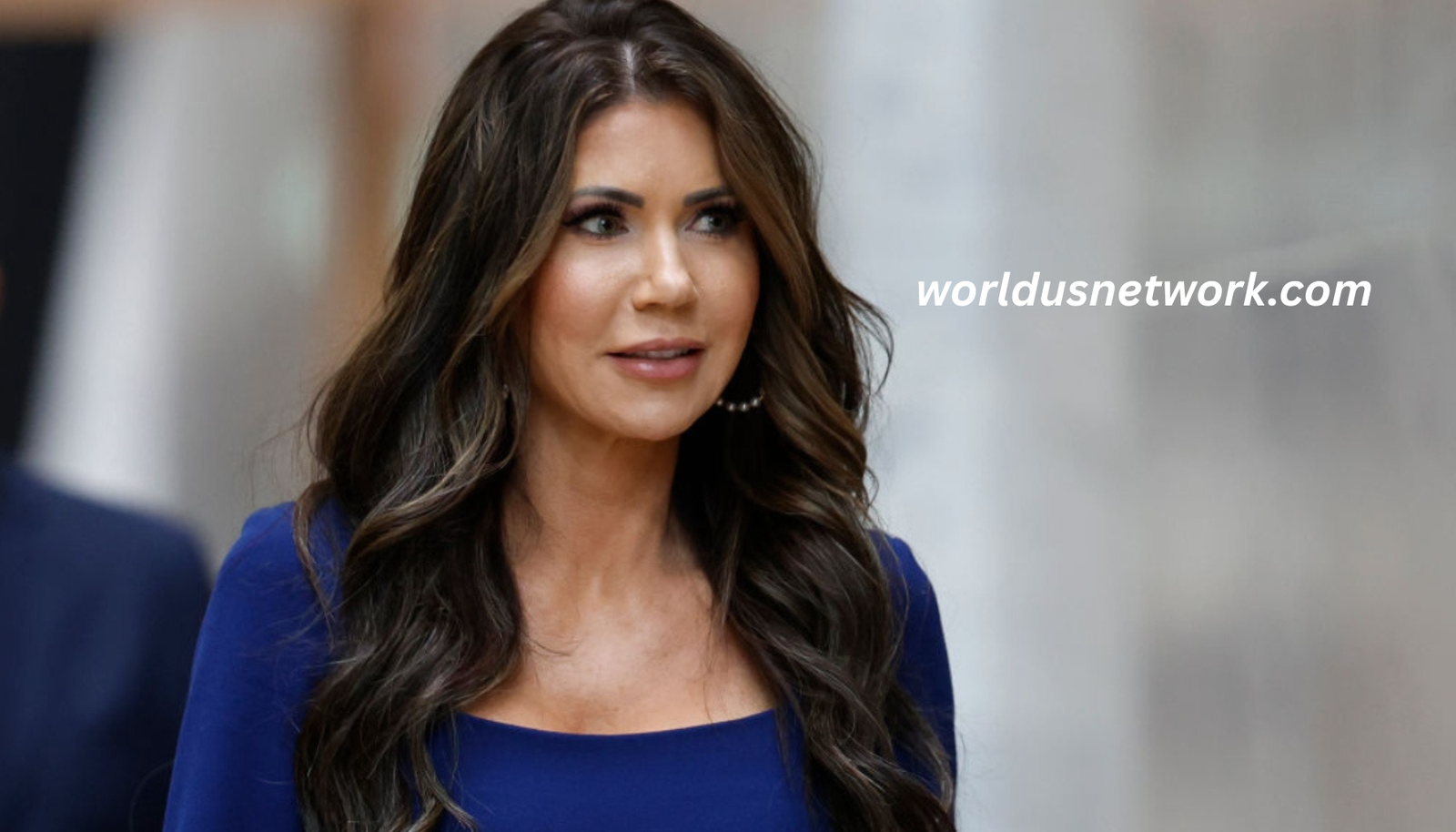
In today’s digital age, search trends often reveal more about public curiosity than about the individuals being searched. One such example is the rising interest in “Kristi Noem bikini,” a phrase that reflects how audiences engage with public figures beyond their professional roles. Kristi Noem, known primarily for her political leadership, has become part of a broader cultural pattern where politicians are viewed through both a professional and personal lens. This phenomenon is not unique, but it does highlight the evolving relationship between politics, media, and public perception.
The attention surrounding such topics also underscores the influence of social media and search engine algorithms. Content that blends curiosity, controversy, or visual appeal tends to spread quickly, often overshadowing substantive discussions about policy or governance. As a result, what might begin as a simple search term can evolve into a larger conversation about media ethics, gender representation, and the nature of public interest. Understanding this context is key to unpacking why such topics gain traction and what they reveal about modern society.
Who Is Kristi Noem?
Political Background
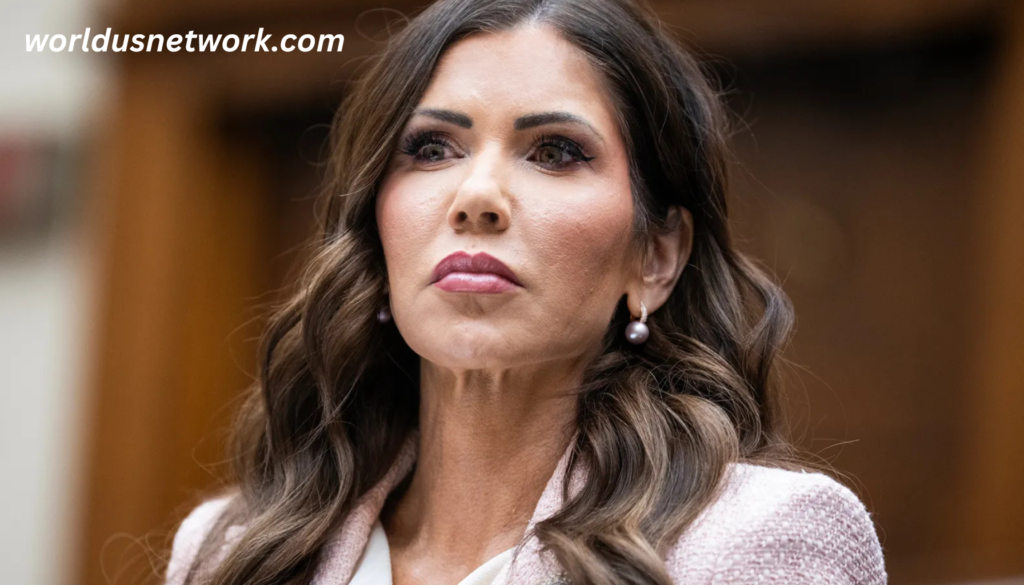
Kristi Noem has built a prominent political career, serving as the Governor of South Dakota and gaining national recognition within American politics. Her journey began in the U.S. House of Representatives, where she developed a reputation for advocating conservative policies and rural interests. Over time, she positioned herself as a strong and visible leader, often engaging in national debates and aligning herself with broader political movements.
Her leadership style and policy decisions have made her a recognizable figure far beyond her state. Whether discussing economic policy, public health decisions, or national political issues, Noem has consistently maintained a strong media presence. This visibility naturally contributes to increased public curiosity, including interest in her personal life and image, which often becomes amplified through online platforms.
Public Persona and Branding
Beyond her political achievements, Kristi Noem has cultivated a distinct public persona. She often emphasizes themes of independence, resilience, and traditional values, which resonate with her supporters. Her communication style, including her use of social media, plays a significant role in shaping how she is perceived by the public.
In the modern political landscape, branding is as important as policy. Politicians are not only leaders but also public figures who must navigate media narratives and public expectations. This dual role can sometimes blur the lines between personal and professional identity, leading to increased scrutiny of aspects that might otherwise remain private. The attention to appearance, including topics like fashion or lifestyle, becomes part of a broader narrative about relatability and image.
The Viral Nature of Bikini Searches
Why Public Figures Trend for Personal Images
Search trends involving personal images of public figures are not uncommon. They often stem from a combination of curiosity, media influence, and the human tendency to seek a more personal connection with well-known individuals. When it comes to politicians, this curiosity can be even more pronounced because of the contrast between their formal roles and their private lives.
The phrase “Kristi Noem bikini” fits into this pattern, reflecting a broader trend where audiences look beyond official appearances to explore a more casual or personal side of public figures. This behavior is driven in part by the accessibility of information online, where even minor or speculative content can gain significant attention. It also highlights how the internet has transformed the way people engage with public figures, making personal aspects more visible and, at times, more important than professional accomplishments.
Media Amplification and Click Culture
Media outlets and digital platforms play a crucial role in amplifying such trends. Headlines that promise intrigue or visual appeal are more likely to attract clicks, leading to a cycle where similar content is continuously produced and promoted. This phenomenon, often referred to as “click culture,” prioritizes engagement over depth, shaping the type of content that becomes popular.
As a result, topics like “Kristi Noem bikini” can gain disproportionate attention compared to more substantive discussions. This does not necessarily reflect the importance of the topic but rather its ability to capture interest quickly. Understanding this dynamic is essential for readers who want to navigate digital content more critically and focus on meaningful information.
Politics and Personal Appearance
Gender Dynamics in Political Scrutiny
One of the most significant aspects of this topic is the role of gender in shaping public scrutiny. Female politicians often face a level of attention to their appearance that their male counterparts do not. This includes everything from clothing choices to physical appearance, and in some cases, even speculative or unrelated topics like swimwear.
This disparity reflects broader societal biases that continue to influence how women in leadership are perceived. While male politicians are typically evaluated based on their policies and leadership abilities, female politicians must often navigate additional layers of judgment. This can create challenges in maintaining credibility and shifting the focus back to substantive issues.
The Impact on Public Perception
The emphasis on appearance can have a complex impact on public perception. On one hand, it can humanize politicians and make them more relatable. On the other hand, it can detract from their professional achievements and reinforce stereotypes. For figures like Kristi Noem, this balance is particularly important, as public image plays a significant role in political success.
Ultimately, how audiences respond to such content depends on their own perspectives and priorities. By recognizing the influence of media narratives, readers can make more informed decisions about what aspects of a public figure’s life they choose to focus on.
Social Media, Privacy, and Public Figures
Blurred Lines Between Public and Private Life
Social media has fundamentally changed the relationship between public figures and their audiences. Platforms like Twitter, Instagram, and Facebook allow politicians to communicate directly with the public, but they also expose more of their personal lives. This increased visibility can lead to greater engagement, but it also raises questions about privacy.
For public figures, maintaining boundaries becomes increasingly challenging. Even content that is shared intentionally can be interpreted in unexpected ways, while private moments can quickly become public. This dynamic contributes to the spread of topics like “Kristi Noem bikini,” where curiosity about personal life intersects with the realities of digital exposure.
Ethical Considerations
The consumption and sharing of such content also involve ethical considerations. Audiences play a role in shaping media trends, and their choices can influence what type of content is produced. By prioritizing respectful and meaningful engagement, readers can help shift the focus away from sensationalism.
Media literacy is particularly important in this context. Understanding how content is created, promoted, and consumed allows individuals to navigate digital spaces more responsibly. This includes questioning the relevance and accuracy of trending topics and considering their broader implications.
Cultural Context: Why This Topic Matters
Celebrity Culture in Politics
The blending of politics and celebrity culture is a defining feature of modern society. Politicians are no longer seen solely as policymakers; they are also public personalities who attract attention for various aspects of their lives. This shift has been influenced by media evolution, technological advancements, and changing audience expectations.
In this context, topics like “Kristi Noem bikini” can be understood as part of a larger trend where political figures are treated similarly to celebrities. While this can increase visibility and engagement, it also raises questions about the quality of public discourse and the criteria used to evaluate leadership.
The Role of Internet Trends
Internet trends are often fleeting, but they can have lasting effects on how individuals are perceived. Viral searches and discussions can shape narratives, sometimes overshadowing more important aspects of a person’s career. This highlights the need for a more balanced approach to consuming and sharing information.
By examining why certain topics trend, readers can gain insights into broader cultural patterns. This understanding can lead to more thoughtful engagement with media and a greater appreciation for the complexities of public life.
Conclusion
The topic of “Kristi Noem bikini” is more than just a search term; it is a reflection of how modern media and society interact with public figures. It highlights the influence of digital platforms, the persistence of gender biases, and the growing overlap between politics and celebrity culture. While such topics may capture attention, they also provide an opportunity to reflect on the values that shape public discourse.
FAQs
Why is Kristi Noem associated with bikini searches?
This is largely due to online curiosity and the tendency for search engines to amplify trending or visually oriented topics.
Are there verified images or is it mostly speculation?
Much of the content associated with such searches tends to be speculative or driven by click-based media rather than verified sources.
Does this type of search affect political careers?
While it may not directly impact policy decisions, it can influence public perception and media narratives.
Why are female politicians scrutinized more for appearance?
This stems from longstanding societal biases and cultural expectations that place greater emphasis on women’s appearance.
How should readers approach such trending topics responsibly?
By practicing media literacy, questioning sources, and focusing on meaningful information rather than sensational content.