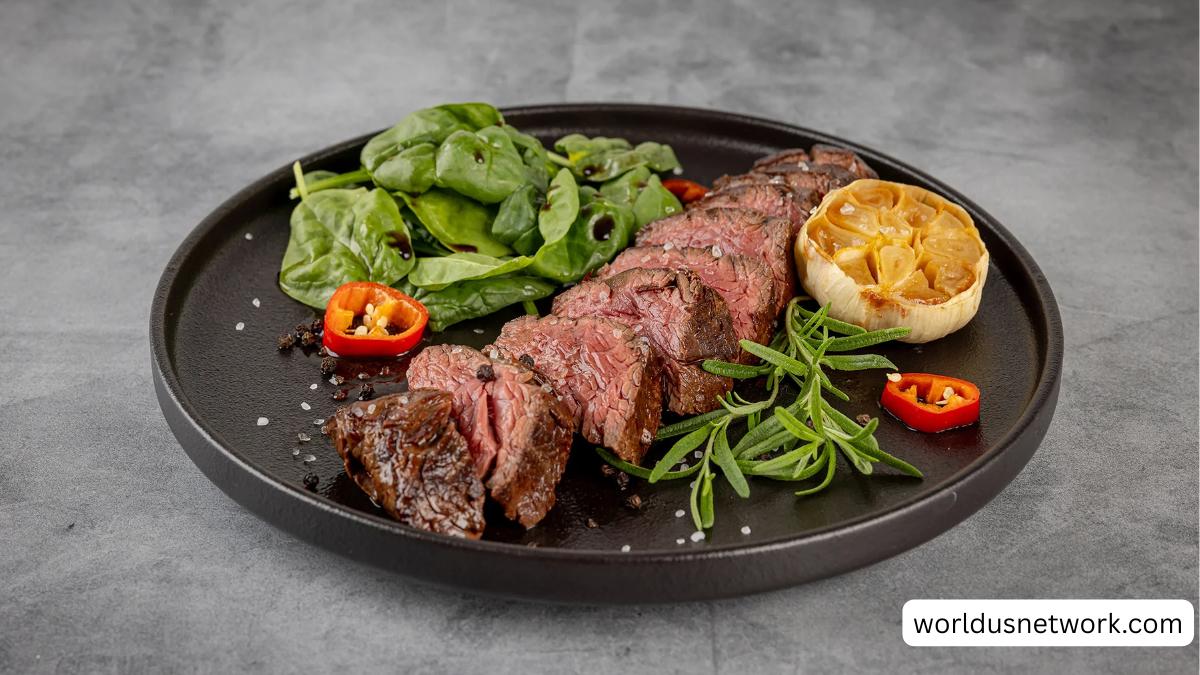
Few cuts of beef inspire as much curiosity among chefs and food enthusiasts as hanger steak. Often described as a butcher’s secret, this deeply flavorful cut bridges the gap between affordability and premium dining experience. Once overlooked outside professional kitchens, it has become a centerpiece of modern steak culture, celebrated for its rich taste, distinctive texture, and versatility across cooking styles.
This comprehensive authority guide explores everything you need to know—from anatomy and sourcing to cooking science, flavor chemistry, and culinary trends. Whether you’re a home cook seeking restaurant-level results or a food professional refining technique, this article positions hanger steak within the broader evolution of contemporary meat appreciation while delivering practical expertise you can apply immediately.
What Is Hanger Steak and Where It Comes From
Hanger steak comes from the plate section of the cow, located near the diaphragm between the rib and loin. Because each animal yields only one cut, availability remains limited compared to more common steaks, contributing to its reputation as a hidden culinary gem.
The muscle performs minimal work during the animal’s life, which explains its tenderness relative to other flavorful cuts. Unlike heavily exercised muscles, this structure develops pronounced beef flavor without excessive toughness, making hanger steak uniquely balanced between texture and intensity.
Why Chefs Often Call It the Butcher’s Secret
Historically, butchers reserved this cut for themselves rather than selling it commercially. Its exceptional flavor made it a prized reward after processing larger, more profitable sections of beef.
As restaurant culture expanded globally, chefs began introducing hanger steak to menus as diners sought authentic and lesser-known cuts. The shift transformed a trade insider favorite into a widely respected culinary option appreciated for both taste and character.
Flavor Profile and Texture Characteristics
The defining feature of hanger steak is its intense, mineral-rich beef flavor. Many describe it as deeper and more complex than strip steak yet more tender than skirt steak, creating a distinctive eating experience.
Its coarse grain structure allows marinades and seasonings to penetrate effectively. When cooked properly, the interior remains juicy while the exterior develops a beautifully caramelized crust through Maillard browning reactions.
Nutritional Value and Health Considerations
Hanger steak provides high-quality protein, essential amino acids, iron, zinc, and B vitamins that support muscle function and metabolic health. These nutrients make it nutritionally comparable to premium beef cuts while often costing less per serving.
Moderation remains important, as with all red meat consumption. Choosing grass-fed sources or balanced portion sizes allows diners to enjoy hanger steak while maintaining dietary awareness aligned with modern nutritional guidance.
How It Compares to Other Popular Steak Cuts
Understanding how hanger steak differs from familiar cuts helps cooks choose the right preparation method. Each steak possesses unique muscle structure, fat distribution, and cooking behavior.
| Cut | Flavor Intensity | Tenderness | Best Cooking Method | Typical Use |
|---|---|---|---|---|
| Hanger Steak | Very high | Medium-tender | High-heat sear | Bistro dishes |
| Ribeye | Rich and buttery | Very tender | Grill or pan | Luxury steaks |
| Skirt Steak | Strong | Chewy | Quick grill | Fajitas |
| Flank Steak | Moderate | Firm | Marinated grill | Sliced dishes |
| Filet Mignon | Mild | Extremely tender | Gentle sear | Fine dining |
This comparison highlights why hanger steak appeals to cooks seeking bold flavor without premium pricing.
Selecting Quality Meat at the Market
Choosing a high-quality cut begins with visual inspection. Look for deep red coloration, moderate marbling, and firm texture without excessive moisture in packaging.
Butchers may sell hanger steak trimmed or intact with a central membrane. Understanding these variations helps buyers select a cut suited to their preparation preferences and skill level.
The Importance of Proper Trimming
A tough connective membrane runs through the center of the cut and must be removed before cooking. Proper trimming ensures even cooking and improves tenderness significantly.
Using a sharp knife and steady angle allows cooks to separate the muscle into two long strips. This small preparation step dramatically enhances the final eating experience.
Preparing the Steak Before Cooking
Bringing meat to room temperature promotes even heat distribution. Cold meat placed directly into a hot pan often cooks unevenly, leading to overcooked exteriors and undercooked centers.
Seasoning simply with salt and pepper allows the natural flavor of hanger steak to shine. More elaborate seasoning can follow once foundational cooking techniques are mastered.
Marinades and Flavor Enhancement Techniques
Because of its open grain, hanger steak absorbs marinades exceptionally well. Acidic components such as citrus, vinegar, or wine help tenderize fibers while adding complexity.
Balanced marinades include fat, acid, salt, and aromatics. This structure enhances flavor without overpowering the natural beef character that defines the cut.
The Science of High-Heat Cooking
High heat triggers the Maillard reaction, creating hundreds of flavor compounds responsible for steak’s savory aroma. Achieving this reaction requires dry surfaces and sufficient pan or grill temperature.
Moisture inhibits browning, so patting hanger steak dry before cooking ensures optimal crust formation and flavor development.
Pan-Searing Techniques for Perfect Results
A heavy skillet retains heat effectively and promotes even searing. Cast iron remains a favorite among chefs because it maintains temperature stability during cooking.
Cooking hanger steak quickly over high heat preserves juiciness while forming a golden-brown exterior. Turning only once helps maintain consistent crust development.
Grilling for Smoky Flavor Depth
Grilling introduces smoke compounds that complement the steak’s natural richness. Charcoal grilling, in particular, enhances complexity through subtle caramelized notes.
Direct heat cooking works best, as prolonged exposure can toughen the fibers. Quick cooking followed by rest time produces optimal texture.
Resting Meat and Why It Matters
Resting allows juices to redistribute throughout the meat after cooking. Cutting immediately causes moisture loss, reducing tenderness and flavor concentration.
Allowing hanger steak to rest for several minutes results in a more succulent bite and improved slicing consistency.
Slicing Against the Grain
The grain refers to the direction of muscle fibers. Cutting perpendicular shortens these fibers, making each bite easier to chew.
Thin slices across the grain transform hanger steak into a remarkably tender experience despite its muscular structure.
Seasoning Philosophies Around the World
Different culinary traditions highlight diverse seasoning approaches. French bistro cuisine favors simplicity, while Latin American preparations often incorporate bold spice blends.
Exploring global seasoning styles reveals how hanger steak adapts to multiple flavor identities without losing its core character.
Classic French Bistro Preparation
In France, hanger steak appears as “onglet,” often served with shallot sauce and fries. The preparation emphasizes precise cooking rather than heavy seasoning.
This approach demonstrates how restraint allows the meat’s natural qualities to take center stage, reinforcing its reputation among professional chefs.
Latin American Interpretations
In Argentina and Mexico, cooks pair hanger steak with chimichurri or citrus-based marinades. These bright flavors balance richness while enhancing freshness.
The cut’s ability to absorb herbs and acids makes it ideal for vibrant regional cuisines focused on grilled meats.
Asian-Inspired Flavor Profiles
Soy sauce, ginger, garlic, and sesame oil introduce umami depth that complements the steak’s natural savoriness. Quick marinades create intense flavor without long preparation times.
Thin slicing after cooking allows hanger steak to integrate seamlessly into stir-fries, rice bowls, and fusion dishes.
Pairing Sauces That Complement the Cut
Sauces should enhance rather than mask flavor. Classic accompaniments include chimichurri, peppercorn sauce, red wine reduction, and herb butter.
Balanced acidity helps cut through richness, ensuring each bite remains lively and satisfying rather than heavy.
Side Dishes That Elevate the Meal
Roasted vegetables, crispy potatoes, and fresh salads provide textural contrast. Neutral sides allow the steak’s bold flavor to remain the focal point.
Seasonal ingredients often work best, creating harmony between richness and freshness on the plate.
Wine and Beverage Pairings
Medium- to full-bodied red wines complement hanger steak beautifully. Malbec, Syrah, and Cabernet Sauvignon mirror its intensity while balancing fat and umami.
For non-alcoholic options, sparkling water with citrus or lightly brewed iced tea refreshes the palate between bites.
Common Cooking Mistakes to Avoid
Overcooking remains the most frequent error. Because hanger steak is leaner than ribeye, prolonged cooking quickly reduces tenderness.
Skipping the resting phase or slicing incorrectly can also compromise results, even when cooking temperature is perfect.
Understanding Doneness Levels
Medium-rare remains widely recommended because it preserves moisture while allowing connective tissue to relax. Internal temperature should reach approximately 130–135°F before resting.
Higher doneness levels risk drying the meat, diminishing the qualities that make hanger steak distinctive.
Equipment That Improves Results
Reliable thermometers, heavy pans, and sharp knives contribute significantly to cooking success. Precision tools reduce guesswork and increase consistency.
Professional kitchens rely on simple but effective equipment, proving that technique matters more than complexity.
The Rise of Alternative Steak Cuts
Modern diners increasingly explore lesser-known cuts as food culture shifts toward sustainability and nose-to-tail cooking philosophies.
The growing popularity of hanger steak reflects this movement, encouraging appreciation of diverse textures and flavors beyond traditional premium cuts.
Sustainability and Responsible Meat Consumption
Using underutilized cuts helps reduce waste within meat production systems. Choosing hanger steak supports balanced consumption practices aligned with sustainability goals.
Responsible sourcing also encourages ethical farming and improved animal welfare standards.
Restaurant Trends and Menu Innovation
Bistros and modern steakhouses frequently feature hanger steak as a signature offering. Its affordability allows chefs to showcase creativity while maintaining menu value.
Creative plating and global influences continue expanding how diners experience this versatile cut.
Cooking for Gatherings and Entertaining
Because it cooks quickly and slices beautifully, hanger steak works well for shared meals. Serving sliced portions encourages communal dining experiences.
Hosts appreciate its ability to deliver premium flavor without complicated preparation or long cooking times.
Home Cooking Confidence and Skill Building
Mastering hanger steak builds transferable cooking skills such as heat management, seasoning balance, and slicing technique.
Success with this cut often boosts confidence, encouraging cooks to experiment with other culinary challenges.
Flavor Chemistry and Umami Depth
The cut’s high myoglobin content contributes to its distinctive flavor intensity. During cooking, chemical reactions create savory compounds associated with umami perception.
These reactions explain why hanger steak often tastes more “beefy” than visually similar cuts.
Storage and Food Safety Practices
Refrigerate promptly and cook within a few days of purchase for optimal freshness. Proper wrapping prevents oxidation and flavor loss.
Freezing remains an option, though slow thawing in refrigeration preserves texture best.
The Role of Temperature Control
Consistent heat ensures predictable outcomes. Sudden temperature fluctuations can cause uneven cooking or excessive moisture loss.
Professional chefs emphasize control rather than speed, allowing hanger steak to develop flavor gradually despite quick cooking times.
Culinary Storytelling Through Ingredients
Food often tells stories about culture and craftsmanship. Serving hanger steak invites conversation about culinary discovery and evolving food traditions.
Its journey from butcher’s secret to global favorite illustrates how culinary appreciation continually evolves.
Expert Insight on Mastering Steak Cooking
A respected culinary instructor once summarized steak preparation perfectly:
“Great steak isn’t about complexity; it’s about respecting the ingredient and controlling heat.”
This philosophy applies directly to hanger steak, where thoughtful technique unlocks exceptional flavor without unnecessary complication.
Conclusion: Why This Cut Deserves Culinary Recognition
The growing admiration for hanger steak reflects a broader shift toward flavor-driven cooking and informed ingredient choices. Its combination of bold taste, versatility, and accessibility makes it one of the most rewarding cuts for cooks at any skill level.
By understanding sourcing, preparation, and cooking science, anyone can transform hanger steak into a memorable culinary experience. Mastery lies not in elaborate methods but in precision, patience, and appreciation for the ingredient itself.
FAQ
What makes hanger steak different from other beef cuts?
Hanger steak stands out for its intense beef flavor and loose grain structure, offering a balance between tenderness and richness unmatched by many common cuts.
Is hanger steak tender or tough?
When cooked properly and sliced against the grain, hanger steak becomes remarkably tender despite its muscular origin.
What is the best way to cook hanger steak?
High-heat methods such as grilling or pan-searing work best, allowing hanger steak to develop a flavorful crust while staying juicy inside.
Should hanger steak be marinated?
Marinating can enhance flavor because hanger steak absorbs seasonings well, though simple salt and pepper also produce excellent results.
Why is hanger steak sometimes hard to find?
Each animal produces only one hanger steak, limiting supply and making it less consistently available than mass-market cuts.