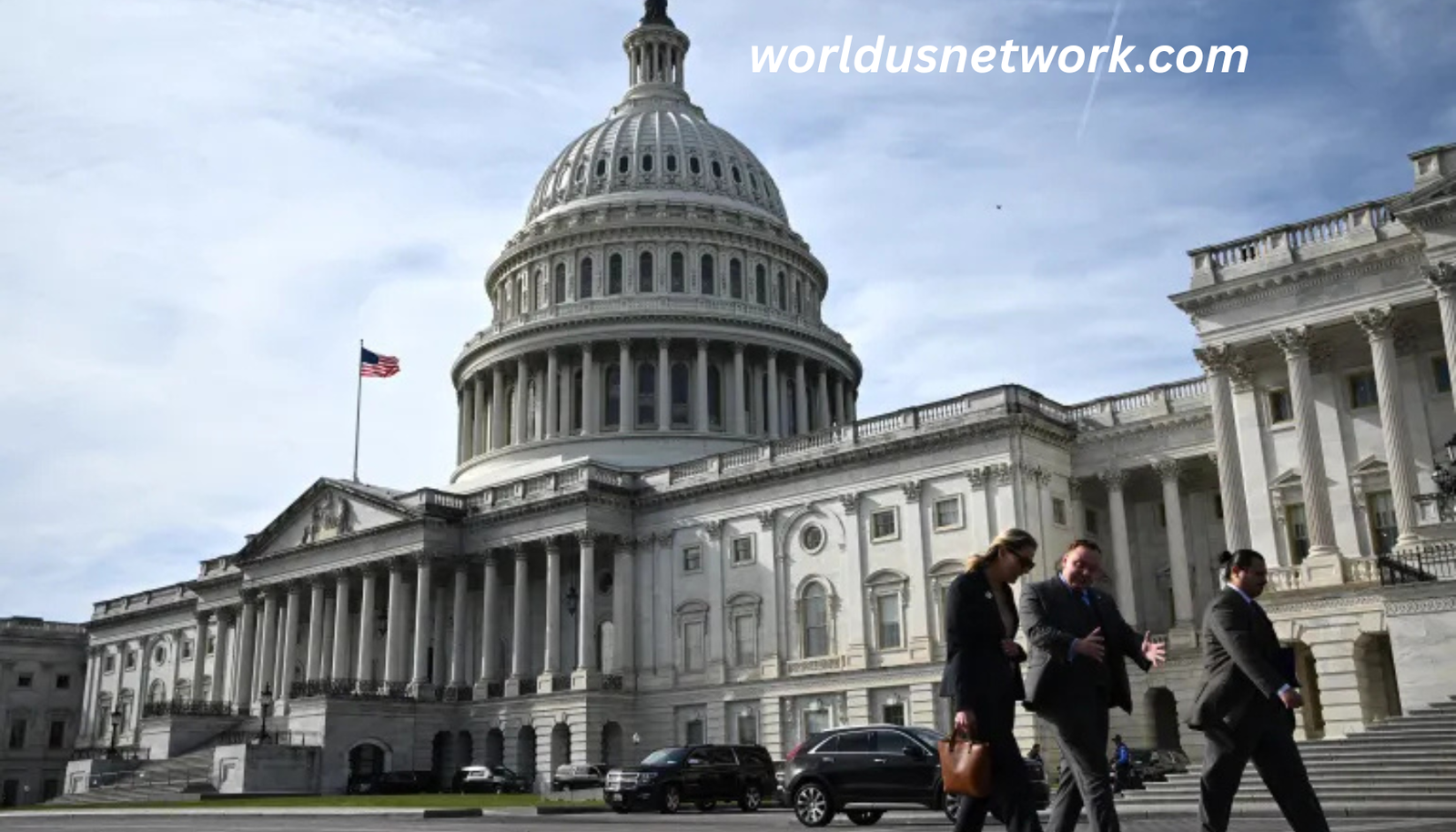
A government shutdown news is one of the most dramatic disruptions in public administration, occurring when a government is unable to pass funding legislation to finance its operations. In simple terms, it means that certain parts of the government shutdown news temporarily stop functioning because there is no approved budget to keep them running. While essential services such as national security and emergency response typically continue, many non-essential functions are paused, affecting millions of people directly and indirectly. Shutdowns are most commonly associated with political systems where legislative approval is required for government spending, making them a recurring topic in global news cycles.
The reason “government shutdown news” captures such widespread attention lies in its immediate and far-reaching impact. Unlike many political issues that evolve gradually, a shutdown creates visible and often sudden consequences—from closed public offices to delayed services and financial uncertainty. Citizens, businesses, and international observers closely monitor these events because they signal deeper political disagreements and can have ripple effects across the economy. As a result, shutdown news often dominates headlines, shaping public perception of governance and political stability.
Understanding the Causes of Government Shutdowns
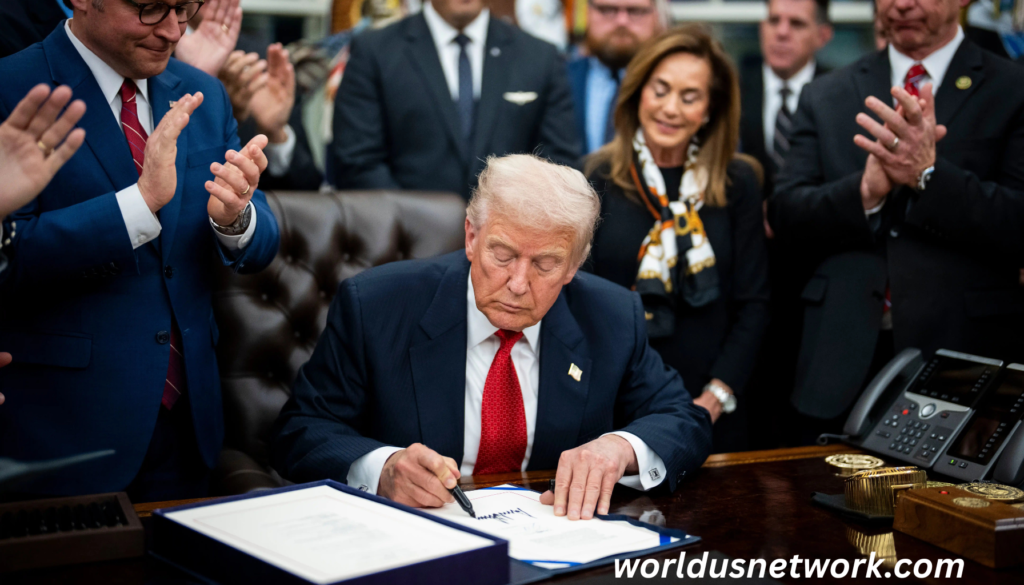
Government shutdowns are rarely caused by a single issue; instead, they arise from a combination of political, economic, and ideological disagreements. One of the primary causes is budget-related conflict. Governments operate on approved budgets that outline spending for various departments and programs. When lawmakers fail to agree on these allocations before the deadline, funding lapses, triggering a shutdown. These disagreements can revolve around how much to spend, where to allocate resources, or how to manage deficits, making the process highly contentious.
Another major factor is political deadlock. In systems where multiple parties share power, conflicting ideologies can lead to stalemates. For example, one group may prioritize social programs while another emphasizes fiscal restraint. When neither side is willing to compromise, negotiations can break down entirely. Additionally, shutdowns are sometimes used as strategic tools in political bargaining. Leaders may leverage the threat of a shutdown to push through specific policies or concessions, turning what should be a procedural process into a high-stakes political battle.
Timeline and Process of a Shutdown
The process leading up to a government shutdown often begins weeks or even months in advance. Early warning signs include stalled budget negotiations, public disagreements among political leaders, and increasing media speculation. During this period, temporary funding measures—often called “stopgap bills”—may be introduced to buy time. However, if these measures fail or are rejected, the likelihood of a shutdown increases significantly. This phase is critical because it sets the tone for how severe and prolonged the shutdown might become.
Once a shutdown officially begins, government agencies implement contingency plans. Non-essential employees may be furloughed, meaning they are placed on unpaid leave, while essential personnel continue working without immediate pay. Public services such as licensing offices, parks, and administrative agencies may close or operate at reduced capacity. The resolution phase begins when political leaders return to negotiations, often under intense public and economic pressure. Agreements may result in temporary funding or a full budget approval, allowing operations to resume, though the effects of the shutdown can linger long after it ends.
Economic Impact of Government Shutdowns
The economic consequences of a government shutdown can be both immediate and long-lasting. At the national level, shutdowns disrupt government spending, which is a key component of economic activity. When federal agencies halt operations, contracts are delayed, projects are paused, and overall productivity declines. This can lead to a measurable slowdown in gross domestic product (GDP), particularly if the shutdown persists for an extended period. Financial markets may also react negatively, as uncertainty surrounding governance can shake investor confidence.
For workers, the impact is deeply personal. Government employees who are furloughed may face temporary financial hardship, especially if they are not guaranteed back pay. Contractors, who often do not receive compensation during shutdowns, can be hit even harder. Beyond government workers, businesses that rely on government operations—such as tourism, transportation, and regulatory services—also experience losses. On a global scale, prolonged shutdowns can influence international markets, affecting trade relationships and economic stability. This interconnectedness highlights how a domestic political issue can have worldwide implications.
Social and Public Service Implications
Shutdowns significantly disrupt public services that citizens rely on daily. From delays in processing applications to reduced access to public facilities, the effects are often widespread. Services related to healthcare, education, and welfare programs may experience interruptions, creating challenges for vulnerable populations. Even when essential services remain operational, reduced staffing can lead to slower response times and decreased efficiency, further complicating access to critical resources.
The social impact extends beyond service disruptions. Citizens often experience frustration and uncertainty, particularly when shutdowns drag on without a clear resolution. Trust in government institutions may decline as people question the ability of leaders to effectively manage public affairs. Additionally, concerns about national security can arise, as reduced operations may strain resources in critical sectors. While essential functions continue, the overall sense of instability can affect public morale and confidence in governance.
Media Coverage and Public Perception
Media plays a crucial role in shaping how government shutdowns are understood by the public. News outlets provide continuous updates, analysis, and commentary, often highlighting the political dynamics behind the crisis. The framing of these stories can influence public opinion, either by emphasizing the human impact or focusing on political accountability. As a result, media coverage becomes a powerful tool in shaping narratives and driving public discourse.
In the digital age, social media amplifies the reach and speed of shutdown news. Platforms allow real-time updates, enabling citizens to share experiences and opinions instantly. However, this rapid flow of information also increases the risk of misinformation. Competing narratives from different political groups can create confusion, making it difficult for the public to discern facts from opinion. Despite these challenges, media remains an essential source of information, helping people understand the complexities and consequences of government shutdowns.
Historical Examples of Government Shutdowns
Throughout history, several government shutdowns have demonstrated the far-reaching consequences of political stalemates. Some have lasted only a few days, while others extended for weeks, causing significant economic and social disruption. These events often serve as case studies for understanding how political decisions can impact governance and public life. By examining past shutdowns, analysts can identify patterns and recurring issues that contribute to such crises.
Lessons learned from these events have led to policy adjustments and procedural changes aimed at preventing future occurrences. For instance, some governments have introduced measures to ensure temporary funding continuity, reducing the likelihood of a complete shutdown. However, despite these efforts, shutdowns continue to occur, highlighting the ongoing challenges of political negotiation and compromise. These historical examples underscore the importance of learning from the past to improve future governance.
Preventing Future Shutdowns
Preventing government shutdowns requires a combination of policy reform and political cooperation. One approach involves improving budgeting processes to make them more efficient and less prone to conflict. For example, automatic funding mechanisms could ensure that essential services continue even if a budget is not approved on time. Such measures can reduce the immediate impact of political disagreements and provide a safety net for critical operations.
Equally important is the role of political collaboration. Bipartisan negotiation and a willingness to compromise are essential for resolving budget disputes. Leaders must prioritize long-term stability over short-term political gains to avoid recurring shutdowns. Public awareness also plays a key role, as informed citizens can hold leaders accountable and advocate for more effective governance. Together, these strategies can help minimize the risk of future shutdowns and ensure smoother functioning of government systems.
Conclusion
Government shutdowns are complex events that reflect deeper political and economic challenges within a nation. While they may begin as budgetary disputes, their effects extend far beyond the halls of government, impacting citizens, businesses, and global markets. Understanding the causes, processes, and consequences of shutdowns is essential for navigating their impact and advocating for better governance.
FAQs
What exactly triggers a government shutdown?
A shutdown is triggered when lawmakers fail to pass funding legislation required to keep government operations running.
How long do shutdowns typically last?
Shutdowns can last anywhere from a few days to several weeks, depending on how quickly political agreements are reached.
Which services are most affected during a shutdown?
Non-essential services such as administrative offices, parks, and certain public programs are most commonly affected.
Do government employees get paid after a shutdown ends?
In many cases, employees receive back pay, but this depends on specific government policies and legislation.
How do shutdowns affect the economy in the long term?
They can slow economic growth, disrupt markets, and reduce investor confidence if prolonged.
Can a government shutdown be avoided once it begins?
Yes, it can be resolved through negotiations and the passage of funding legislation.
Why do shutdowns happen more frequently in some countries than others?
They are more common in systems with strong political divisions and complex budget approval processes.