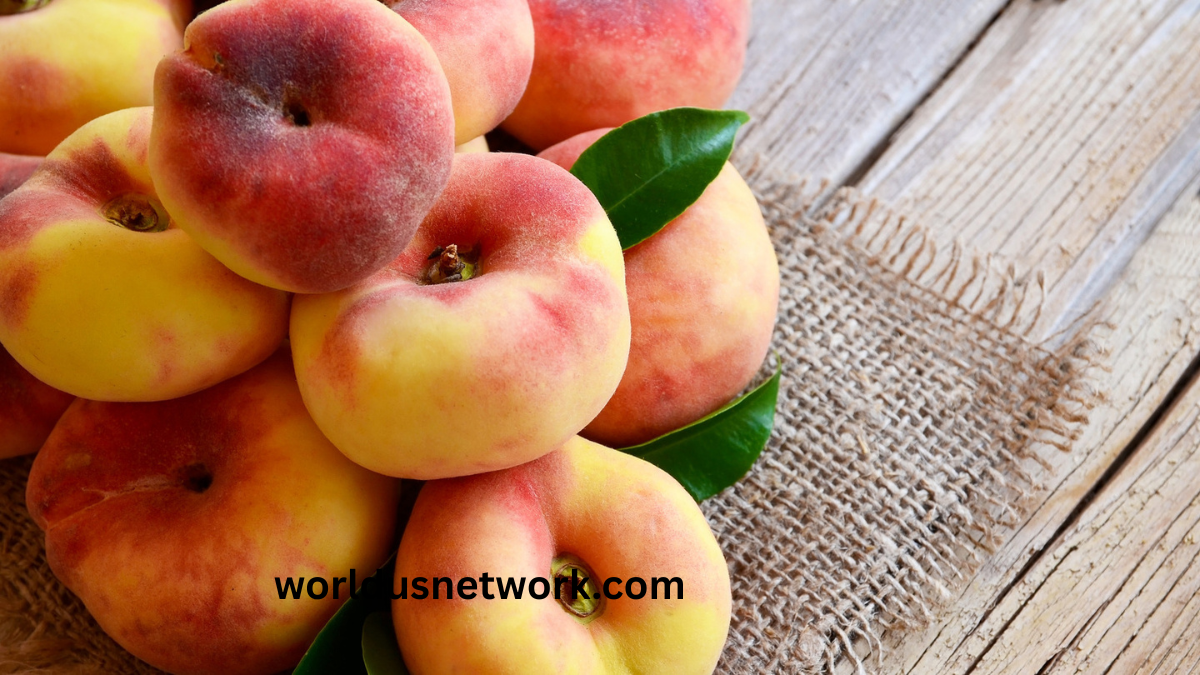
The donut peach is one of those fruits that instantly grabs attention. Its flat, saucer-like shape makes it look almost playful, as if nature decided to experiment with design. Unlike the classic round peach most people are used to, this variety has a compressed center and a shallow pit, giving it that distinctive “donut” appearance. Because of this shape, it is also commonly called the Saturn peach. Over the past decade, donut peach varieties have grown in popularity at farmers’ markets, grocery stores, and specialty fruit shops around the world.
What makes the so appealing is not just its shape but its flavor. Many people describe it as sweeter and less acidic than traditional peaches. The flesh is often firm yet tender, offering a satisfying bite without being overly juicy or messy. This balance of sweetness and texture has made the donut peach a favorite summer snack, especially for families looking for something naturally sweet and refreshing. As consumer demand shifts toward unique and flavorful produce, this flat peach has found a solid place in modern orchards and kitchens alike.
Origin and History of Donut Peach
The history of the donut peach traces back thousands of years to China, where peaches were first cultivated and celebrated as symbols of longevity and immortality. Ancient Chinese horticulturists selectively bred peaches for different shapes and flavors, and among those early experiments was the flat peach variety that would eventually become known as the donut’s peach. Over time, these peaches spread along trade routes into Persia and then into Europe.
By the time peaches reached North America, they were already well adapted to various climates. However, the donut peach remained relatively rare outside of Asia for many years. It was only in the late 20th century that commercial growers began cultivating this variety more widely in the United States and parts of Europe. Advances in agricultural practices, combined with consumer interest in specialty fruits, helped bring the donut’s peach into mainstream markets. Today, it is grown in regions with warm summers and mild winters, including parts of California, Spain, and Italy.
Botanical Characteristics
Botanically, the donut peach belongs to the species Prunus persica, the same species as standard peaches and nectarines. The tree itself looks similar to other peach trees, typically reaching heights of 10 to 15 feet when mature. It produces delicate pink blossoms in early spring, which not only signal the beginning of the fruiting season but also add ornamental beauty to orchards and gardens. These blossoms eventually give way to small green fruits that gradually swell and flatten as they mature.
The most defining feature of the donut’s peach is its flattened shape. Instead of forming a sphere, the fruit develops with a depressed center and a wide diameter. The skin is usually yellow or cream-colored with a red blush, and it may have a slight fuzz, depending on the variety. Inside, the flesh is often white or pale yellow and clings less tightly to the pit than some traditional peach varieties. The aroma is sweet and floral, and the flavor profile leans toward high sugar content with lower acidity, making it exceptionally pleasant for fresh eating.
Nutritional Value of Donut Peach
Nutritionally, the donut peach offers a range of health benefits while remaining low in calories. A medium-sized fruit typically contains around 50 to 70 calories, making it a smart choice for those who want a naturally sweet snack without excessive sugar or fat. The carbohydrates present are primarily natural sugars, balanced with dietary fiber that supports digestive health. This combination helps provide steady energy without the sharp spikes often associated with processed sweets.
In addition to macronutrients, donut peaches are rich in essential vitamins and minerals. They are a good source of vitamin C, which supports immune function and helps the body repair tissues. Vitamin A, present in the form of beta-carotene, contributes to healthy vision and skin. The fruit also contains potassium, which plays a role in maintaining healthy blood pressure levels. Antioxidants found in the flesh and skin help combat oxidative stress, supporting overall wellness. Including donut peaches in a balanced diet can therefore contribute to both enjoyment and nutrition.
Health Benefits of Donut Peach
The health benefits of donut peach extend beyond simple nutrition facts. Because of its vitamin C content, this fruit can help strengthen the immune system, particularly during seasonal changes when colds and infections are more common. The antioxidants present in the fruit help neutralize free radicals, which are unstable molecules that can damage cells and contribute to aging and chronic disease. Regular consumption of antioxidant-rich fruits like donut peach may support long-term health.
Another significant benefit is its positive impact on digestion. The fiber found in donut peaches promotes healthy bowel movements and supports gut health. Additionally, the high water content of the fruit helps keep the body hydrated, especially during hot summer months. For individuals looking to manage their weight, donut peaches can serve as a satisfying dessert alternative. Their natural sweetness can curb sugar cravings while providing essential nutrients, making them both a practical and enjoyable addition to a healthy lifestyle.
Donut Peach vs Regular Peach
When comparing donut peach to regular peach varieties, the most obvious difference is shape. The flat, disc-like structure of the donut peach contrasts sharply with the round form of traditional peaches. This unique shape is not just aesthetic; it often results in a smaller pit and a higher ratio of flesh to seed. For many consumers, this makes the donut peach easier and more convenient to eat.
Flavor is another key distinction. While regular peaches can range from tart to sweet, donut peaches are generally known for their consistently high sweetness and lower acidity. The texture may also feel slightly firmer, which some people prefer for slicing into salads or desserts. Nutritionally, both types of peaches are quite similar, but consumer perception often leans toward viewing the donut peach as a specialty fruit. Its novelty and distinct taste have contributed to its rising demand in markets worldwide.
Culinary Uses of Donut Peach
In the kitchen, donut peach proves to be incredibly versatile. Its natural sweetness makes it ideal for fresh consumption, whether sliced into breakfast bowls, added to yogurt, or enjoyed on its own. Because it is less acidic than some other peach varieties, it pairs beautifully with creamy ingredients like mascarpone, ricotta, or vanilla ice cream. The firm texture also allows it to hold its shape well when grilled or baked.
Beyond desserts, donut peach can shine in savory dishes. It can be diced into salsas for grilled chicken or fish, providing a sweet contrast to spicy flavors. Thin slices can elevate salads, especially when combined with arugula, goat cheese, and nuts. The fruit can also be blended into smoothies or turned into preserves and jams. Its balanced flavor profile ensures that it complements both sweet and savory recipes, making it a valuable ingredient in creative cooking.
Conclusion
The donut peach is far more than a novelty fruit with a quirky shape. It represents centuries of cultivation, careful breeding, and a growing appreciation for unique produce. From its origins in ancient China to its presence in modern supermarkets, this flat peach has traveled a remarkable journey. Its appealing sweetness, balanced nutrition, and versatility in the kitchen make it a standout choice among summer fruits.
As consumer interest in flavorful and health-conscious options continues to grow, the donut peach is well positioned to remain a favorite. Whether enjoyed fresh, incorporated into recipes, or grown in home gardens, it offers a combination of taste, nutrition, and visual charm. For anyone seeking a fruit that is both delightful and nourishing, the donut peach is certainly worth exploring.
FAQs
1. What does a donut peach taste like?
It is typically sweeter and less acidic than regular peaches, with a smooth and floral flavor.
2. Is a donut peach genetically modified?
No, it is a naturally bred variety developed through traditional cultivation methods.
3. When is donut peach season?
Donut peaches are generally in season during late spring and summer, depending on the region.
4. Are donut peaches healthier than regular peaches?
They offer similar nutritional benefits, including vitamins, fiber, and antioxidants.
5. Can donut peach trees be grown at home?
Yes, they can be grown in suitable climates with proper care and sunlight.
Also Read: bmw bmw e46