Few beverages have shaped modern soft-drink culture quite like diet coke. More than a sugar-free soda, it represents changing consumer habits, evolving nutritional awareness, and one of the most successful brand extensions in beverage history. Since its launch, it has influenced how companies formulate drinks, market lifestyle products, and respond to health-conscious audiences worldwide.
This in-depth guide explores every dimension of the drink — from formulation science and marketing psychology to health debates, cultural symbolism, and future innovation. Whether you are a casual consumer, marketing professional, nutrition enthusiast, or industry observer, this article provides a comprehensive, evidence-based understanding designed for lasting relevance diet coke.
The Origin Story of Modern Low-Calorie Soft Drinks
The rise of low-calorie beverages began long before calorie tracking apps or wellness influencers existed. During the mid-20th century, shifting dietary awareness encouraged beverage companies to experiment with artificial sweeteners as alternatives to sugar-heavy sodas.
When diet coke entered the market in 1982, it marked a turning point. Instead of merely reducing sugar in an existing formula, it introduced a distinct recipe tailored to changing tastes, signaling that low-calorie beverages could stand as independent flagship products rather than secondary alternatives diet coke.
The Evolution of Beverage Innovation
Soft drink innovation has always reflected broader social trends. Early carbonated drinks emphasized indulgence and sweetness, while later generations prioritized balance, refreshment, and moderation.
Technological advances in flavor chemistry allowed manufacturers to refine sweetness perception without increasing caloric content. This transformation reshaped consumer expectations and opened entirely new categories within the global beverage industry.
Understanding the Ingredient Profile
The formulation behind diet coke combines carbonated water, flavoring agents, acids, caffeine, and non-nutritive sweeteners designed to mimic sugar’s sensory experience. Each component contributes to aroma, mouthfeel, and perceived refreshment rather than simple sweetness alone.
Artificial sweeteners undergo extensive regulatory evaluation before approval. Their role is not only calorie reduction but also stability, shelf life consistency, and predictable flavor performance across different climates and storage conditions.
Sweeteners and the Science of Taste Perception
Human taste perception depends on complex neurological responses rather than sugar content alone. Sweetness receptors interpret chemical signals differently depending on acidity, carbonation intensity, and temperature.
Flavor engineers carefully balance these variables so the beverage feels crisp rather than heavy. Small adjustments in acidity or aroma compounds can dramatically influence how sweetness is experienced by the brain.
How Flavor Engineering Shapes Consumer Experience
Flavor development involves sensory panels, iterative testing, and predictive modeling. Experts evaluate aftertaste duration, aroma volatility, and carbonation release patterns to create a consistent sensory signature.
This precision ensures that consumers experience familiarity with every sip, regardless of where the product is manufactured globally. Consistency remains one of the strongest drivers of brand loyalty in beverages diet coke.
Health Debates and Public Perception
Few drinks have sparked as much discussion as diet coke regarding health implications. Critics often question artificial sweeteners, while supporters highlight calorie reduction benefits compared to sugary alternatives.
Scientific consensus generally emphasizes moderation and context. Nutritional impact depends more on overall dietary patterns than on a single beverage choice, yet public debate continues due to evolving research and media narratives.
Common Myths About Artificial Sweeteners
One persistent misconception suggests that zero-calorie sweeteners automatically disrupt metabolism. Current evidence shows mixed findings, often influenced by individual behavior patterns rather than direct chemical effects.
Another myth assumes all sweeteners behave identically. In reality, different compounds vary significantly in sweetness intensity, digestion pathways, and interaction with taste receptors.
Caffeine Content and Energy Perception
Many consumers choose diet coke partly for its caffeine content, which provides mild stimulation and improved alertness. Compared with coffee, caffeine levels remain moderate, offering a lighter alternative for sustained focus diet coke.
Caffeine perception also connects psychologically with productivity rituals. The act of opening a chilled can or bottle often becomes associated with mental refreshment and short breaks during work routines.
The Psychology Behind Beverage Choices
Beverage selection often reflects identity as much as thirst. People choose drinks aligned with lifestyle aspirations, health goals, or emotional comfort.
Marketing research shows that packaging design, sound cues, and brand messaging strongly influence perceived taste quality. Expectations formed before drinking can shape actual sensory experience.
Branding Strategy and Market Positioning
Diet coke achieved success partly through positioning itself as modern and independent rather than derivative. Advertising emphasized individuality, energy, and contemporary culture.
This strategic separation allowed the brand to appeal to new demographics without competing directly with traditional cola expectations. The approach became a case study in successful brand extension strategy.
Advertising Campaigns That Defined an Era
Iconic advertising campaigns connected the beverage with fashion, music, and urban lifestyles. Rather than focusing solely on nutrition claims, campaigns emphasized confidence and personal expression.
This shift demonstrated that low-calorie products could feel aspirational rather than restrictive, redefining how healthier alternatives were marketed across industries.
Packaging Design as a Communication Tool
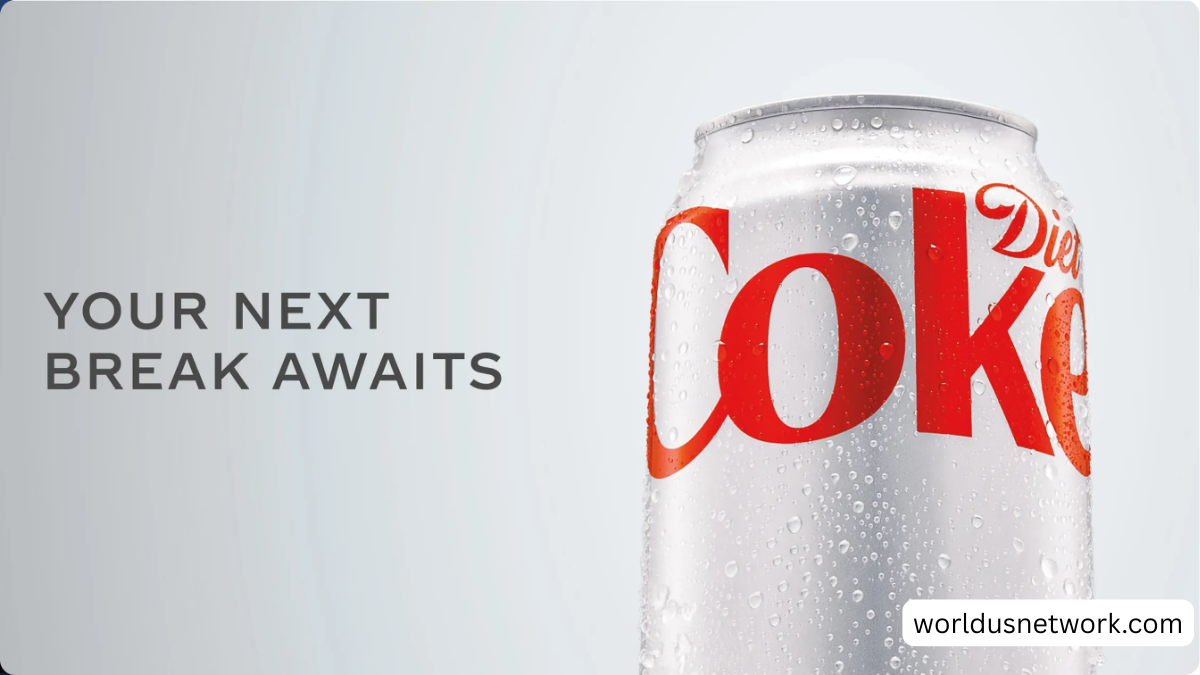
Packaging plays a crucial role in shaping perception before consumption begins. Sleek typography, metallic finishes, and minimalistic visuals communicate modernity and sophistication.
Design evolution over decades reflects broader aesthetic trends, proving that packaging functions as both protection and storytelling medium.
Cultural Symbolism in Popular Media
Soft drinks often appear in films, television, and music videos as symbols of everyday life. Their presence signals familiarity and shared cultural experience diet coke.
Over time, certain beverages become shorthand for particular eras or attitudes, embedding themselves into collective memory far beyond their functional purpose.
Global Expansion and Regional Adaptation
International markets require careful adaptation of sweetness levels, branding tone, and marketing narratives. Cultural preferences influence flavor perception more than many consumers realize.
Localization strategies allow global brands to maintain identity while respecting regional tastes, regulatory frameworks, and purchasing habits.
Consumer Behavior in the Wellness Era
Modern consumers increasingly seek balance rather than restriction. Low-calorie beverages fit into flexible lifestyles where indulgence and mindfulness coexist.
Purchasing decisions now reflect broader health ecosystems including fitness habits, sleep awareness, and nutritional literacy, reshaping beverage consumption patterns worldwide.
Comparing Beverage Categories
The following table highlights how zero-calorie sodas compare with other common beverage types across several dimensions diet coke.
| Beverage Type | Calories (per 330ml) | Sweetness Source | Typical Use Case | Consumer Perception | Market Growth Trend |
|---|---|---|---|---|---|
| Regular Soda | High | Sugar | Indulgence | Traditional | Stable |
| Zero-Calorie Soda | Zero | Non-nutritive sweeteners | Everyday refreshment | Balanced choice | Growing |
| Sparkling Water | Zero | None | Hydration | Minimalist | Rapid growth |
| Energy Drinks | Medium–High | Sugar or sweeteners | Performance boost | Functional | Expanding |
| Juice Drinks | Medium | Natural sugars | Nutritional image | Mixed | Variable |
This comparison illustrates how consumer priorities increasingly favor flexibility and calorie awareness without sacrificing flavor.
The Role of Carbonation in Sensory Enjoyment
Carbonation contributes far more than bubbles. It enhances aroma release, stimulates trigeminal nerve responses, and creates the crisp sensation many people associate with refreshment.
The intensity of carbonation must be carefully calibrated. Too much produces harshness, while too little reduces perceived freshness and energy.
Supply Chains and Manufacturing Precision
Producing consistent beverages at global scale requires advanced logistics and strict quality controls. Ingredients must meet identical standards across continents.
Manufacturing facilities rely on automated monitoring systems to maintain exact ratios, ensuring uniform flavor regardless of production location.
Sustainability and Environmental Responsibility
Sustainability has become central to beverage manufacturing strategies. Companies increasingly invest in recyclable packaging, lightweight materials, and reduced water consumption.
Diet coke initiatives have included packaging innovation and recycling campaigns aimed at minimizing environmental impact while maintaining product accessibility.
Recycling Culture and Consumer Participation
Environmental responsibility does not rest solely with manufacturers. Consumer participation in recycling systems significantly influences environmental outcomes.
Educational campaigns encourage responsible disposal habits, demonstrating how small individual actions collectively shape sustainability progress.
The Economics of Beverage Branding
Global beverage brands operate within complex economic ecosystems involving distribution networks, advertising investments, and retail partnerships.
Pricing strategies balance accessibility with perceived value, ensuring products remain both aspirational and widely available.
Retail Placement and Purchase Psychology
Shelf positioning plays a measurable role in purchase decisions. Eye-level placement and refrigerated visibility increase impulse purchases dramatically.
Retailers collaborate closely with beverage companies to optimize display strategies that align with shopper behavior patterns.
Digital Marketing and Social Media Influence
Digital platforms transformed how brands communicate with audiences. Interactive campaigns and influencer partnerships create two-way conversations rather than one-directional advertising.
User-generated content further amplifies visibility, allowing consumers to participate in shaping brand narratives organically.
The Role of Nostalgia in Brand Loyalty
Nostalgia strengthens emotional connections with long-standing products. Familiar flavors can evoke memories tied to specific life stages or cultural moments.
Brands often revisit classic design elements to reinforce continuity while introducing modern innovations.
Taste Preferences Across Generations
Generational differences influence flavor expectations. Younger consumers may favor lighter sweetness profiles, while older audiences often prefer familiar taste structures.
Understanding these differences helps brands evolve without alienating loyal customers.
Misconceptions About Zero-Calorie Drinks
A common misunderstanding suggests calorie-free beverages automatically promote weight loss. In reality, outcomes depend on overall lifestyle habits rather than individual products.
Another misconception assumes artificial ingredients imply lower quality. Modern food science prioritizes safety, stability, and consistency through rigorous testing protocols.
The Science of Habit Formation
Habit formation often involves environmental cues rather than conscious decisions. A beverage consumed during daily routines can become psychologically linked to relaxation or productivity.
Over time, these associations strengthen brand attachment beyond flavor preference alone.
Social Rituals and Everyday Consumption
Sharing drinks during meetings, gatherings, or breaks reinforces social bonds. Beverages function as small rituals that structure daily interactions.
These repeated moments help transform ordinary products into culturally meaningful experiences.
Innovation and Future Beverage Trends
Future beverage innovation focuses on personalization, functional ingredients, and sustainable production methods. Advances in flavor science may allow even closer replication of sugar’s sensory profile without added calories.
Diet coke continues evolving alongside these trends, adapting to shifting consumer expectations while maintaining recognizable identity.
Industry Perspectives on Longevity
Few beverage brands sustain relevance for decades without reinvention. Continuous adaptation to health trends, design aesthetics, and cultural change drives longevity.
As one beverage strategist famously noted, “The most successful drinks evolve quietly while consumers believe they have always stayed the same.” This insight captures the balance between innovation and familiarity.
Consumer Trust and Transparency
Transparency increasingly influences purchasing decisions. Consumers expect clear labeling, accessible information, and honest communication from brands.
Open dialogue builds trust and strengthens long-term relationships between companies and audiences.
The Role of Convenience in Modern Lifestyles
Portable packaging and widespread availability support modern on-the-go lifestyles. Convenience often determines beverage choice as much as taste or nutrition.
Single-serve formats reflect evolving mobility patterns and flexible work environments.
Global Market Dynamics
Emerging markets continue driving growth in the beverage sector. Urbanization, rising incomes, and expanding retail infrastructure increase accessibility.
Local partnerships and culturally adapted marketing strategies remain essential for sustained international success.
Future Challenges for the Beverage Industry
Regulatory changes, environmental pressures, and shifting health expectations present ongoing challenges. Companies must innovate responsibly while maintaining consumer trust.
Balancing flavor satisfaction with sustainability and transparency will define the next generation of beverage development.
Conclusion: Why This Beverage Still Matters
Diet coke remains more than a drink; it is a reflection of cultural evolution, scientific innovation, and changing consumer values. Its journey mirrors society’s shift toward balance — enjoying flavor while considering health, sustainability, and lifestyle alignment.
Understanding its history and impact reveals broader insights into how products become icons. From formulation science to marketing psychology, the story demonstrates how thoughtful adaptation allows a brand to remain relevant across generations and global markets.
FAQ
What makes diet coke different from regular cola?
Diet coke uses non-nutritive sweeteners instead of sugar, creating a zero-calorie profile while maintaining a distinct flavor designed specifically for low-calorie preferences.
Is diet coke safe to drink regularly?
Most health authorities consider diet coke safe in moderation as part of a balanced diet, provided overall nutrition and hydration habits remain healthy.
Does diet coke contain caffeine?
Yes, diet coke includes a moderate amount of caffeine, offering mild stimulation similar to other caffeinated soft drinks but typically less than coffee.
Can zero-calorie sodas help reduce sugar intake?
Many people use calorie-free sodas as transitional alternatives when reducing sugary beverage consumption, though overall dietary balance remains key.
Why does diet coke taste different from other cola variants?
Its flavor profile was engineered independently rather than modified from traditional cola formulas, resulting in a lighter, sharper taste experience.