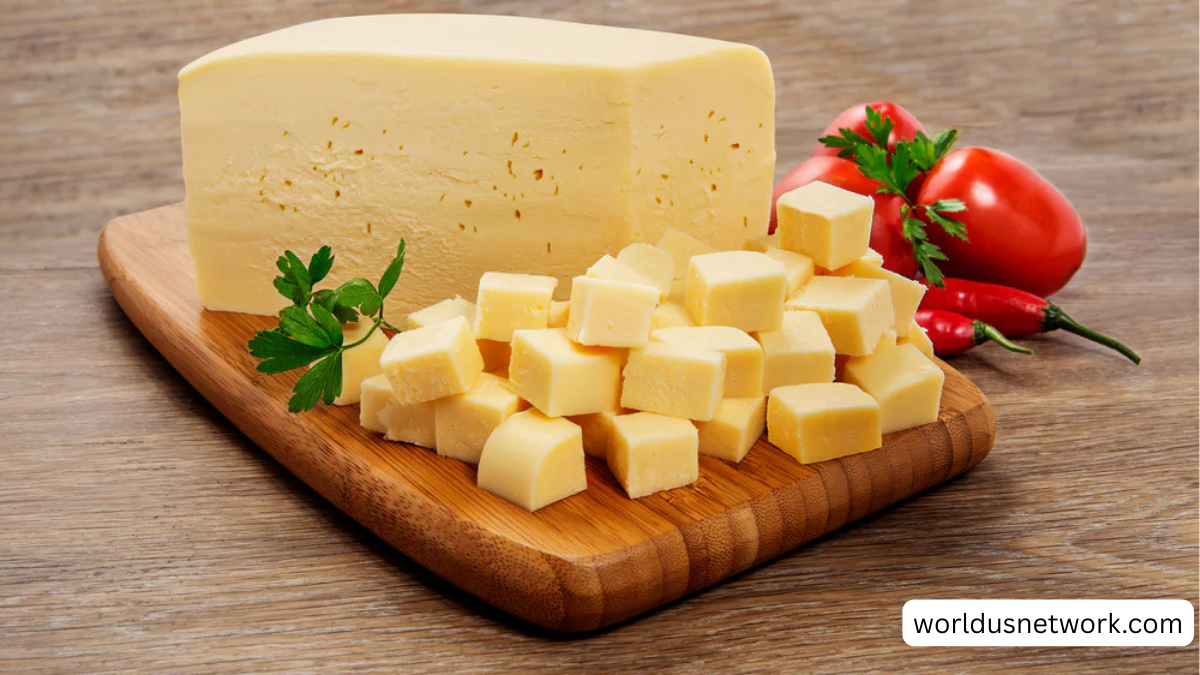
Few foods achieve the universal recognition and culinary respect earned by cheddar cheese. Found in home kitchens, artisan markets, gourmet restaurants, and global food cultures, it balances accessibility with remarkable depth. Its appeal lies not only in taste but in transformation—milk evolving through time, craft, and science into something layered and expressive.
This comprehensive authority guide explores every dimension of cheddar, from its historical origins and production techniques to nutrition, cooking applications, buying strategies, and emerging trends. Whether you are a curious consumer, dedicated home cook, or food professional, this article provides a definitive understanding grounded in expertise, clarity, and real-world culinary insight.
Origins and Historical Evolution
The story of cheddar begins in rural England, where early cheesemakers developed preservation techniques to extend milk’s usability beyond seasonal abundance. Over centuries, local practices evolved into structured methods that balanced moisture control, fermentation, and aging, giving the cheese its recognizable firmness and depth.
As trade expanded, production spread globally, adapting to regional climates and agricultural systems. What started as a localized craft gradually became one of the most replicated cheese styles in the world, demonstrating how traditional knowledge can scale without losing its essential identity.
The Science Behind Milk Transformation
Cheese production relies on controlled biological change. Enzymes and beneficial bacteria convert lactose into lactic acid, reshaping texture and flavor while stabilizing the product for aging. This biochemical process defines the character associated with cheddar cheese, distinguishing it from softer or mold-ripened varieties.
Temperature, acidity, and timing influence every stage. Small adjustments can create dramatic differences in sharpness, aroma, and consistency, proving that cheesemaking blends scientific precision with artisan intuition.
The Cheddaring Process Explained
The defining step unique to this cheese style is known as cheddaring, a process involving stacking and turning curds to expel whey. This technique compresses proteins, producing the dense structure and sliceable texture consumers recognize instantly.
During cheddaring, curds develop elasticity and begin forming layered fibers. The process demands patience and careful monitoring, as improper handling can disrupt moisture balance and ultimately alter flavor development.
Aging and Flavor Development
Time plays a transformative role in cheese maturation. Fresh wheels start with mild dairy notes, but aging encourages enzymatic breakdown that produces savory, nutty, and sometimes crystalline textures cherished by enthusiasts.
As cheddar cheese ages, proteins fragment into flavor compounds while fats oxidize gently, creating complexity. Aging periods range from a few months to several years, each stage offering a distinct sensory experience that appeals to different palates.
Texture Profiles Across Maturity Levels
Young cheeses feel smooth and slightly elastic, ideal for melting and everyday cooking. Their subtle taste allows them to complement rather than dominate dishes.
Older versions become crumbly and intense, sometimes forming crunchy calcium lactate crystals. These textural shifts signal deeper maturation and often attract consumers seeking bold, concentrated flavor.
Flavor Chemistry and Sensory Experience
Flavor perception combines aroma, mouthfeel, acidity, and fat content. The balance between savory umami notes and gentle tanginess gives this cheese style broad culinary flexibility.
The sensory appeal of cheddar cheese stems from volatile compounds formed during aging. These molecules create notes reminiscent of toasted nuts, caramel, broth, or even fruit depending on maturation conditions.
Nutritional Composition and Health Value
Cheese provides concentrated nutrients derived from milk, including protein, calcium, phosphorus, and fat-soluble vitamins. Moderate consumption contributes to bone health and sustained energy due to its dense nutritional profile.
While calorie-rich, portion awareness allows it to fit comfortably into balanced diets. Protein and fat slow digestion, promoting satiety and making cheese a practical ingredient for sustained energy meals.
Protein, Fat, and Micronutrient Balance
Protein supports muscle maintenance and metabolic function, while dairy fats enhance flavor delivery and nutrient absorption. Micronutrients such as vitamin B12 and zinc add further dietary value.
Consumers increasingly evaluate food through functional nutrition, and cheddar cheese remains relevant because it combines indulgence with measurable nutritional benefits.
Culinary Applications in Everyday Cooking
One reason this cheese remains globally popular is versatility. It melts evenly, browns beautifully, and integrates easily into sauces, baked dishes, and snacks.
From grilled sandwiches to casseroles, cheddar cheese delivers consistency. Its ability to bind ingredients while contributing flavor makes it a foundational component in comfort food traditions worldwide.
Advanced Culinary Techniques
Professional chefs often manipulate texture through shredding size, temperature control, or blending with complementary cheeses. These adjustments influence melt behavior and flavor intensity.
Using aged varieties in finishing stages rather than cooking stages preserves complexity. This strategic approach demonstrates how ingredient timing elevates even familiar recipes.
Pairing With Foods and Beverages
Successful pairings rely on balance. Acidic foods brighten richness, while sweet elements contrast savory depth. Apples, pickles, and crusty bread frequently appear alongside traditional cheese boards.
Beverage pairings range from crisp cider to bold red wine. The adaptability of cheddar cheese allows it to harmonize with both simple and sophisticated accompaniments.
Regional Styles Around the World
Although rooted in England, many regions produce distinctive variations influenced by milk type, climate, and aging environments. American, Canadian, Australian, and Irish producers each contribute unique interpretations.
These global adaptations expand flavor diversity while maintaining recognizable structure. The widespread production underscores the cheese’s adaptability across cultures.
Artisan Versus Industrial Production
Artisan cheesemakers emphasize small-batch craftsmanship and milk quality, often using traditional aging caves or natural rinds. These methods encourage nuanced flavor development shaped by environment.
Industrial production focuses on consistency and accessibility. While large-scale operations prioritize efficiency, they also make cheddar cheese available to millions of consumers worldwide.
Sustainability and Dairy Farming Practices
Modern food discussions increasingly focus on environmental responsibility. Dairy farms now explore regenerative agriculture, improved feed efficiency, and waste reduction strategies.
Responsible production strengthens long-term viability while addressing consumer expectations. Sustainable practices ensure future generations can continue enjoying traditional dairy foods responsibly.
Storage and Preservation Techniques
Proper storage preserves both flavor and texture. Cheese benefits from breathable wrapping that prevents excessive moisture loss while avoiding condensation.
Refrigeration should maintain stable temperatures, ideally in vegetable drawers where humidity remains balanced. When handled correctly, cheddar cheese retains quality far longer than many fresh dairy products.
Buying Guide for Quality Selection
Choosing quality cheese involves observing color uniformity, aroma, and texture. Natural variations indicate authenticity rather than defects.
Labels revealing aging duration, milk source, and producer transparency often signal higher craftsmanship. Consumers who learn these indicators gain confidence navigating markets and specialty shops.
Common Myths and Misunderstandings
A frequent misconception is that orange color indicates stronger flavor. In reality, coloring agents historically added visual consistency rather than intensity.
Another myth suggests sharper always means better. Preference depends on culinary purpose, proving that versatility—not extremity—defines the enduring appeal of cheddar cheese.
Economic Importance in the Food Industry
Cheese production contributes significantly to agricultural economies, supporting farmers, distributors, retailers, and culinary professionals worldwide.
Its consistent demand stabilizes dairy markets, making cheddar one of the most economically influential cheese varieties across global supply chains.
Comparative Breakdown of Cheddar Styles
Below is a structured overview illustrating how aging influences characteristics and culinary use.
| Aging Stage | Texture | Flavor Profile | Best Uses | Typical Aging Time |
|---|---|---|---|---|
| Mild | Smooth, elastic | Creamy, buttery | Sandwiches, melting | 2–3 months |
| Medium | Firm | Balanced, slightly tangy | Sauces, baking | 4–8 months |
| Sharp | Crumbly | Bold, savory | Cheese boards | 9–18 months |
| Extra Aged | Dense, crystalline | Nutty, complex | Finishing dishes | 18+ months |
Understanding these distinctions helps consumers align flavor expectations with cooking goals.
Cultural Significance and Comfort Food Identity
Food often carries emotional meaning, and cheese plays a central role in nostalgic dishes. Macaroni and cheese, savory pies, and toasted sandwiches evoke familiarity across generations.
As food historian Clifton Fadiman once observed, “Cheese is milk’s leap toward immortality.” The enduring popularity of cheddar cheese illustrates how culinary traditions preserve memory through flavor.
Innovation and Modern Product Development
Food innovation continues reshaping traditional ingredients. Producers experiment with raw milk variations, smoked versions, and hybrid aging techniques to attract evolving consumer tastes.
Plant-based alternatives even attempt to replicate its flavor profile, highlighting how influential the original remains within contemporary food development conversations.
The Future of Cheese Consumption
Consumer priorities increasingly emphasize transparency, sustainability, and authenticity. Cheesemakers respond by highlighting origin stories and production ethics.
Digital commerce also expands access, allowing small producers to reach global audiences. These changes suggest continued growth in appreciation for high-quality dairy craftsmanship.
Conclusion
The enduring success of cheddar cheese lies in its remarkable balance between simplicity and sophistication. Born from humble agricultural practices yet refined through centuries of innovation, it remains one of the most versatile and beloved foods in culinary history.
From nutrition and aging science to cooking applications and cultural significance, this guide demonstrates why cheddar continues to evolve without losing authenticity. Understanding its depth transforms everyday consumption into informed appreciation, allowing both casual eaters and culinary professionals to experience its full potential.
Frequently Asked Questions
What makes cheddar cheese different from other cheeses?
Cheddar cheese undergoes a unique cheddaring process that creates its dense texture and characteristic flavor development during aging.
How long can cheddar cheese be stored safely?
When wrapped properly and refrigerated, cheddar cheese can last several weeks or even months depending on aging level and moisture content.
Is cheddar cheese healthy to eat regularly?
In moderate portions, cheddar cheese provides protein, calcium, and essential nutrients that support balanced dietary patterns.
Why does cheddar cheese sometimes appear orange?
The color often comes from natural annatto coloring added historically for consistency, not flavor intensity.
What dishes work best with cheddar cheese?
Cheddar cheese performs exceptionally well in melted dishes, baked recipes, sandwiches, sauces, and balanced cheese boards.