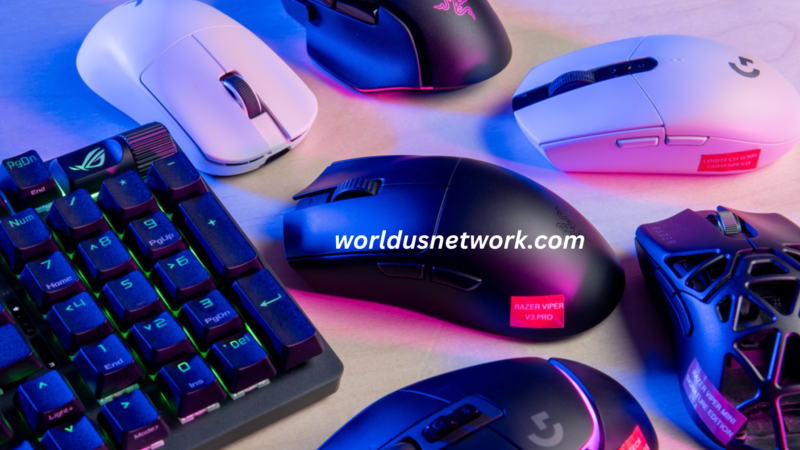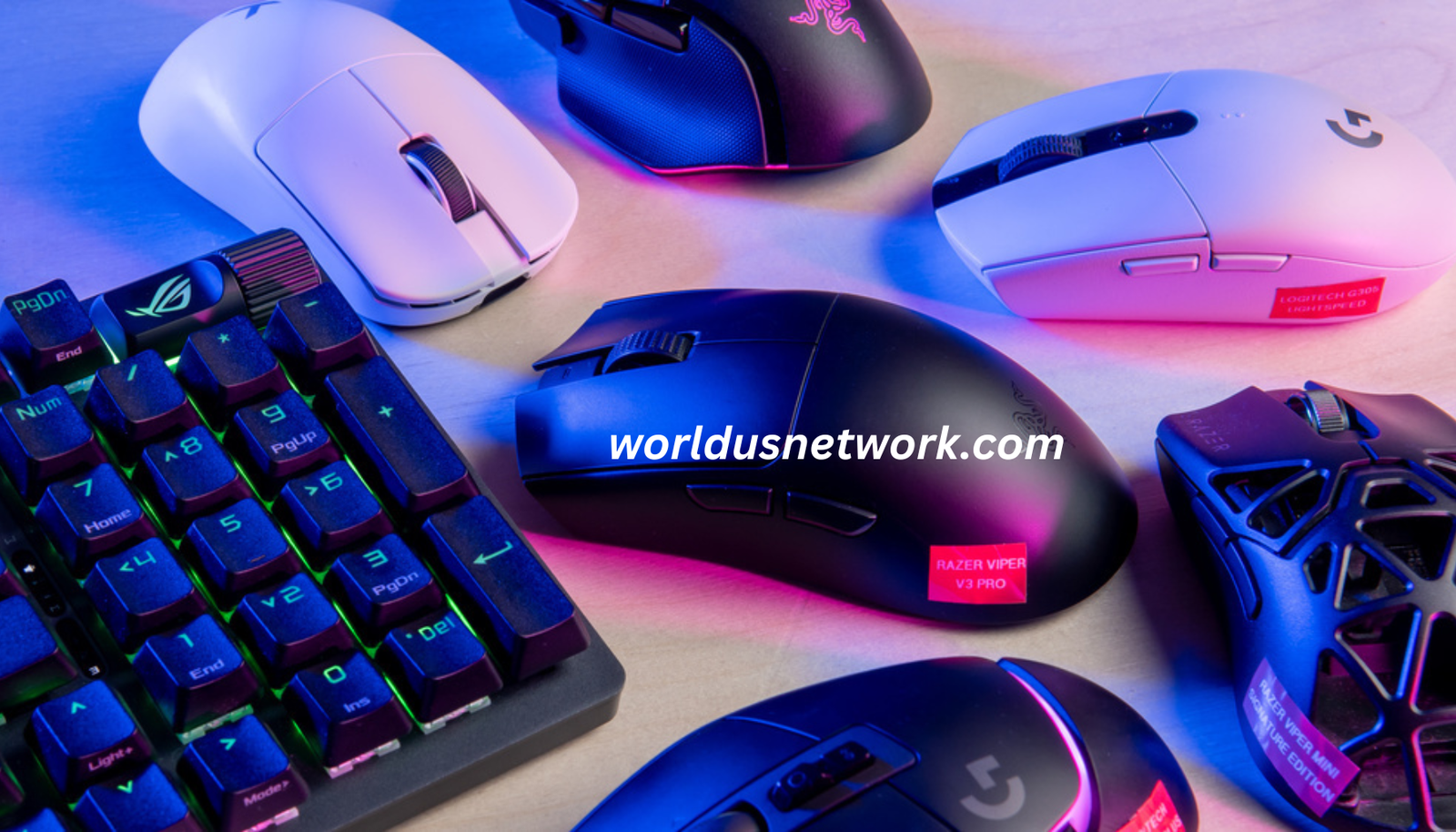
A best gaming mouse mouse is far more than just a pointing device—it is an essential tool that can directly influence your performance, precision, and comfort during gameplay. Unlike regular office mice, gaming mice are engineered with advanced sensors, customizable features, and ergonomic designs tailored to meet the demands of best gaming mouse. Whether you are aiming for pixel-perfect accuracy in a first-person shooter or managing complex commands in a strategy game, the right mouse can significantly elevate your experience.
The importance of choosing the best gaming mouse becomes even more apparent when you consider the diversity of gaming genres. Fast-paced FPS games demand lightning-fast response times and precision tracking, while MMO and MOBA games often require multiple programmable buttons for executing complex actions quickly. Because of this, there is no “one-size-fits-all” solution. Instead, the ideal gaming mouse depends on your playstyle, preferences, and the type of games you play regularly.
Another critical factor is comfort. Gamers often spend hours in front of their screens, and using a poorly designed mouse can lead to fatigue or even long-term strain. A well-designed gaming mouse not only improves your performance but also ensures that your hand remains comfortable during extended sessions.
Types of Gaming Mice
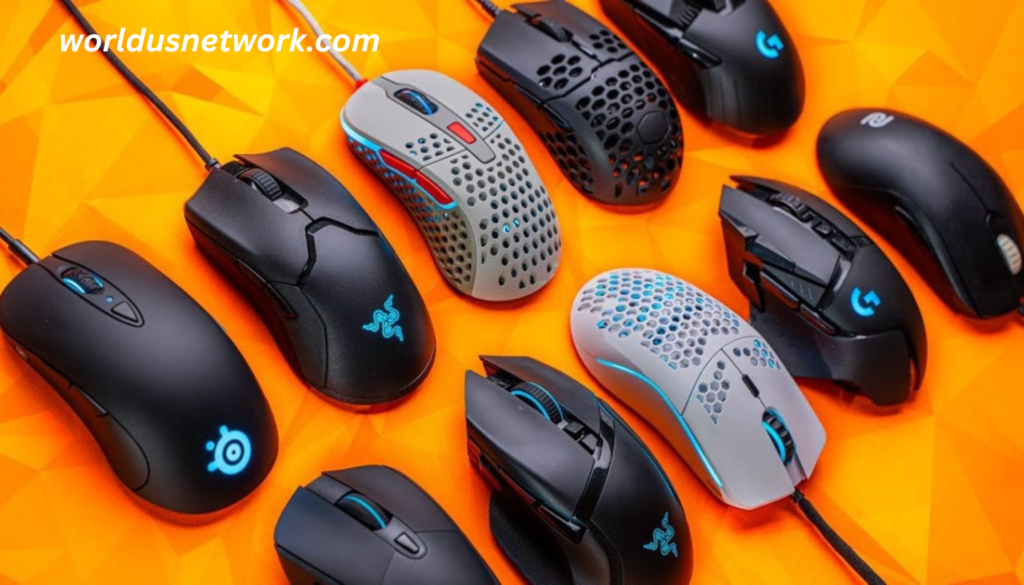
Gaming mice come in a wide variety of types, each designed to cater to different needs and preferences. One of the most common distinctions is between wired and wireless mice. Wired mice are traditionally favored for their reliability and zero-latency connection, making them a popular choice among competitive gamers. On the other hand, modern wireless gaming mice have made significant advancements, offering near-zero latency and impressive battery life, making them just as viable for high-level play.
Ergonomics also play a crucial role in determining the type of gaming mouse you should choose. Some mice are specifically designed for right-handed users, while others cater to left-handed or ambidextrous players. Ergonomic designs focus on reducing strain and improving comfort, which is especially important for gamers who spend long hours playing. Vertical mice and specially contoured designs are gaining popularity for their ability to support natural hand positioning.
Additionally, gaming mice are often tailored for specific genres. FPS mice are typically lightweight and optimized for precision, while MMO mice feature a large number of programmable buttons for complex commands. MOBA mice strike a balance between these features, offering both customization and responsiveness.
Key Features to Consider
When choosing the best gaming mouse, understanding its core features is essential. One of the most talked-about specifications is DPI (dots per inch), which determines how sensitive the mouse is to movement. Higher DPI settings allow for faster cursor movement, while lower settings provide more control. Many gaming mice offer adjustable DPI, allowing users to switch between settings depending on their needs.
Another important feature is the polling rate, measured in Hertz (Hz). This determines how frequently the mouse reports its position to the computer. A higher polling rate results in smoother and more responsive cursor movement, which can be critical in fast-paced games where every millisecond counts.
The type of sensor used in the mouse also plays a significant role in performance. Optical sensors are generally preferred for their accuracy and consistency, while laser sensors can track on a wider variety of surfaces. Build quality, weight, and button customization further enhance the overall experience, allowing gamers to tailor the mouse to their specific requirements.
RGB lighting, while often considered a cosmetic feature, has become a staple in gaming peripherals. Although it does not directly impact performance, it adds a layer of personalization and aesthetic appeal that many gamers appreciate.
Comfort and Grip Styles
Comfort is one of the most overlooked yet crucial aspects of choosing a gaming mouse. Different grip styles significantly influence which mouse design will work best for you. The three primary grip styles are palm grip, claw grip, and fingertip grip, each offering unique advantages.
The palm grip involves resting your entire hand on the mouse, providing maximum comfort and stability. This grip style is ideal for larger, ergonomically shaped mice that support the natural curve of the hand. It is particularly suitable for slower-paced games where precision and control are more important than rapid movements.
Claw grip, on the other hand, involves arching your fingers while keeping the palm partially in contact with the mouse. This grip offers a balance between speed and control, making it popular among competitive gamers. Fingertip grip relies solely on the tips of the fingers, allowing for quick and agile movements, which is ideal for fast-paced FPS games.
Hand size also plays a vital role in comfort. A mouse that is too large or too small can lead to discomfort and reduced performance. Therefore, it is essential to choose a mouse that fits your hand size and preferred grip style.
Performance Factors for Competitive Gaming
For competitive gamers, performance is everything. Low latency and high accuracy are critical factors that can make the difference between winning and losing. A high-quality gaming mouse ensures consistent tracking and minimal input lag, allowing you to react quickly in high-pressure situations.
Mouse feet, also known as skates, are another often overlooked component. These small pads on the bottom of the mouse affect how smoothly it glides across the surface. High-quality skates combined with a good mousepad can significantly enhance movement precision and overall gameplay experience.
Software optimization also plays a key role in performance. Many gaming mice come with dedicated software that allows users to customize DPI settings, create macros, and adjust lighting effects. These features enable gamers to fine-tune their mouse for optimal performance.
Consistency is perhaps the most important factor. Developing muscle memory requires a mouse that performs reliably under all conditions. Switching between different mice frequently can disrupt this consistency, making it harder to improve your skills.
Budget vs Premium Gaming Mice
Gaming mice are available across a wide range of price points, from budget-friendly options to high-end models packed with advanced features. Entry-level mice typically offer basic functionality, such as adjustable DPI and a comfortable design, making them suitable for casual gamers.
Mid-range gaming mice provide a balance between affordability and performance. These models often include better sensors, improved build quality, and additional customization options. For many gamers, this category offers the best value for money.
Premium gaming mice, on the other hand, come with cutting-edge technology, such as ultra-lightweight designs, high-end sensors, and advanced wireless capabilities. While they can be expensive, they are often worth the investment for serious gamers who demand the best performance.
Ultimately, the choice between budget and premium options depends on your needs and priorities. While high-end mice offer superior features, a well-chosen mid-range mouse can still deliver excellent performance.
Popular Brands and Market Leaders
The gaming mouse market is dominated by several well-known brands that have built strong reputations for quality and innovation. These companies continuously push the boundaries of technology, introducing new features and improving existing designs.
Each brand has its unique strengths. Some focus on lightweight designs for competitive gaming, while others emphasize customization and aesthetics. Reputation, customer support, and warranty policies are also important factors to consider when choosing a brand.
It is always a good idea to read reviews and compare different models before making a decision. This ensures that you choose a mouse that not only meets your requirements but also offers reliable performance over time.
Maintenance and Longevity
Proper maintenance can significantly extend the lifespan of your gaming mouse. Regular cleaning helps prevent dust and debris from affecting performance, especially around the sensor and buttons. Using a soft cloth and appropriate cleaning solutions can keep your mouse in optimal condition.
Wear and tear are inevitable over time, particularly for components like switches and mouse feet. Replacing worn-out parts can restore performance and extend the usability of your mouse. Many manufacturers offer replacement parts, making it easier to maintain your device.
Keeping your mouse’s firmware and software up to date is also important. Updates often include performance improvements and bug fixes, ensuring that your mouse continues to function at its best.
How to Choose the Right Gaming Mouse for You
Choosing the right gaming mouse ultimately comes down to understanding your needs and preferences. Consider the types of games you play, your grip style, and your budget. These factors will help narrow down your options and make the decision process easier.
Testing different mice, if possible, is one of the best ways to find the perfect fit. What works for one person may not work for another, so personal experience is invaluable. Avoid common mistakes such as focusing solely on high DPI or flashy features while ignoring comfort and usability.
By taking the time to research and evaluate your options, you can find a gaming mouse that enhances your performance and provides a comfortable gaming experience.
Conclusion
Choosing the best gaming mouse is a combination of understanding technical features, personal comfort, and gaming preferences. From sensor accuracy to ergonomic design, every aspect plays a role in determining the overall experience. While there are countless options available, the key is to find a mouse that aligns with your specific needs.
FAQs
What DPI is best for gaming?
Most gamers prefer DPI settings between 400 and 1600 for accuracy and control.
Are wireless gaming mice good for competitive play?
Yes, modern wireless mice offer low latency and are widely used in competitive gaming.
How long do gaming mice last?
A good gaming mouse can last 2–5 years, depending on usage and maintenance.
What is the ideal weight for a gaming mouse?
It depends on preference, but lightweight mice (under 80g) are popular for FPS games.
Do more buttons make a mouse better for gaming?
Not necessarily—it depends on the type of games you play.
Is an expensive gaming mouse worth it?
For serious gamers, premium features can provide a noticeable advantage.
How do I know which grip style I use?
Observe how your hand rests on the mouse during gameplay.
Can a gaming mouse improve my performance?
Yes, the right mouse can enhance precision, comfort, and overall gameplay efficiency.