The zero waste lifestyle is more than just a trend—it is a conscious shift toward living with intention and responsibility. At its core, it focuses on minimizing the waste we produce by rethinking how we consume, use, and discard everyday items. Instead of relying on disposable products and convenience-driven habits, individuals adopting this lifestyle aim to reduce their environmental footprint by making sustainable choices. The concept is guided by a simple yet powerful principle: waste is not inevitable, but rather a result of inefficient systems and behaviors that can be changed over time.
In today’s fast-paced world, waste generation has reached alarming levels, with landfills overflowing and oceans filled with plastic debris. The zero waste lifestyle philosophy challenges this reality by encouraging people to take control of their consumption patterns. It promotes the idea that every purchase and disposal decision has an environmental consequence. By becoming more mindful, individuals can significantly reduce the amount of waste they contribute to the planet, while also influencing broader societal change through their actions.
Benefits of Adopting a Zero Waste Lifestyle
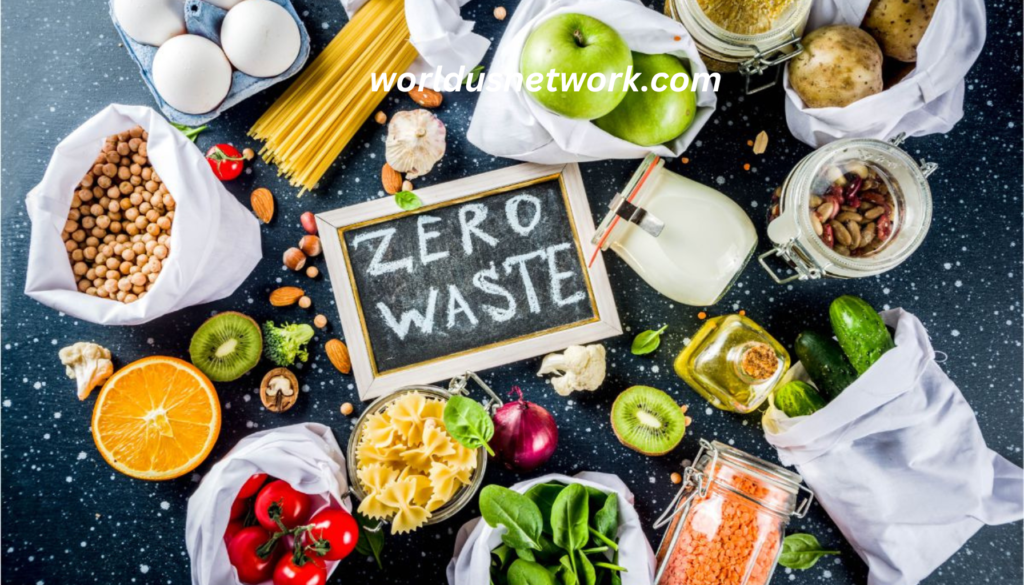
One of the most compelling reasons to embrace a zero waste lifestyle is its positive impact on the environment. Reducing waste helps conserve natural resources, decrease pollution, and lower greenhouse gas emissions. When fewer materials end up in landfills or incinerators, there is less contamination of soil, air, and water systems. Additionally, cutting down on plastic usage helps protect marine life and ecosystems that are severely affected by plastic pollution. These environmental benefits collectively contribute to a healthier and more sustainable planet for future generations.
Beyond environmental advantages, a zero waste lifestyle can also lead to financial savings and improved personal well-being. By prioritizing reusable items and avoiding unnecessary purchases, individuals often find themselves spending less money over time. Moreover, many zero waste practices involve using natural and non-toxic products, which can have positive effects on health. This lifestyle also fosters mindfulness, encouraging people to value quality over quantity and to develop a deeper connection with their consumption habits.
The 5 R’s of Zero Waste Living
The foundation of the zero waste lifestyle is built upon the 5 R’s: refuse, reduce, reuse, recycle, and rot. These principles serve as a practical guide for minimizing waste in everyday life. “Refuse” encourages individuals to say no to items they do not need, such as single-use plastics or promotional freebies. By simply declining unnecessary products, a significant amount of waste can be prevented before it even enters the home. This step is often overlooked but plays a crucial role in reducing overall consumption.
“Reduce” and “reuse” go hand in hand, focusing on minimizing what we buy and making the most of what we already own. Reducing consumption means being intentional about purchases, while reusing involves finding creative ways to extend the life of items. “Recycle” comes next, emphasizing proper waste segregation and awareness of recycling limitations. Finally, “rot” refers to composting organic waste, which helps return valuable nutrients to the soil. Together, these principles create a comprehensive system that empowers individuals to significantly cut down their waste output.
How to Start a Zero Waste Lifestyle
Beginning a zero waste journey can feel overwhelming, but it does not have to be an all-or-nothing approach. The first step is to assess your current waste habits by conducting a simple audit of your daily trash. This helps identify the most common sources of waste, such as food packaging, plastic bottles, or disposable items. Once you understand your patterns, you can begin making gradual changes that target the areas with the greatest impact. Starting small allows for sustainable progress without feeling burdened by drastic lifestyle changes.
Setting realistic goals is essential for long-term success. Instead of striving for perfection, focus on making consistent improvements over time. For example, you might begin by switching to reusable shopping bags or carrying a refillable water bottle. As these habits become second nature, you can gradually incorporate more changes into your routine. Building a zero waste lifestyle is a continuous process that evolves with your circumstances, and every small step contributes to a larger positive impact.
Zero Waste Practices for Everyday Life
Incorporating zero waste practices into daily routines can significantly reduce environmental impact. In the kitchen, simple actions such as meal planning, buying in bulk, and storing food properly can minimize waste. Composting food scraps is another effective way to manage organic waste while enriching the soil. Additionally, choosing reusable containers instead of disposable packaging can make a noticeable difference in reducing household trash.
Outside the kitchen, adopting sustainable habits in shopping, personal care, and home maintenance further supports a zero waste lifestyle. Opting for products with minimal or no packaging, using refillable containers, and selecting eco-friendly alternatives can all contribute to waste reduction. Even small changes, such as switching to reusable cloths instead of paper towels, can have a meaningful impact over time. By integrating these practices into everyday life, individuals can create a more sustainable and mindful living environment.
Challenges and How to Overcome Them
Transitioning to a zero waste lifestyle is not without its challenges. Accessibility and affordability can be significant barriers, especially in areas where sustainable products are not readily available. Additionally, the convenience of single-use items and societal norms can make it difficult to maintain consistent habits. These challenges may discourage individuals from continuing their journey, but it is important to remember that progress, not perfection, is the goal.
Overcoming these obstacles requires creativity, flexibility, and persistence. Finding local alternatives, supporting second-hand markets, and making DIY solutions can help address accessibility issues. Building a supportive community, either online or offline, can also provide motivation and inspiration. By focusing on achievable changes and celebrating small victories, individuals can navigate challenges effectively and stay committed to their zero waste goals.
Zero Waste on a Budget
Contrary to popular belief, living a zero waste lifestyle does not have to be expensive. In fact, many zero waste practices are inherently cost-effective. By reducing consumption and prioritizing reusable items, individuals can save money in the long run. For example, investing in durable products such as stainless steel bottles or cloth bags eliminates the need for repeated purchases of disposable alternatives.
Additionally, embracing second-hand shopping and upcycling can significantly reduce expenses while promoting sustainability. Thrift stores, community swaps, and online marketplaces offer affordable options for clothing, furniture, and household items. DIY solutions, such as making cleaning products at home, can further cut costs. By focusing on resourcefulness and mindful spending, a zero waste lifestyle can be both environmentally and financially beneficial.
Conclusion
The zero waste lifestyle is a powerful approach to addressing the growing environmental challenges of our time. By adopting mindful consumption habits and embracing the principles of the 5 R’s, individuals can significantly reduce their waste and contribute to a more sustainable future. While the journey may come with challenges, the long-term benefits for both the planet and personal well-being make it a worthwhile endeavor.
FAQs
What is the easiest way to start a zero waste lifestyle?
Start with simple swaps like reusable bags, bottles, and containers while gradually reducing single-use items.
Is it possible to achieve completely zero waste?
Achieving absolute zero waste is difficult, but significantly reducing waste is realistic and impactful.
Does zero waste living cost more?
While some items may have higher upfront costs, the lifestyle often saves money over time.
How can I reduce waste in a busy lifestyle?
Focus on convenient swaps like meal prepping and carrying reusable essentials.
What are the most impactful zero waste changes?
Reducing plastic use, avoiding overconsumption, and composting are among the most effective actions.
Can families adopt a zero waste lifestyle?
Yes, involving all family members and making gradual changes can make it achievable and effective.
How do I stay motivated?
Track progress, celebrate small wins, and connect with communities that share similar goals.