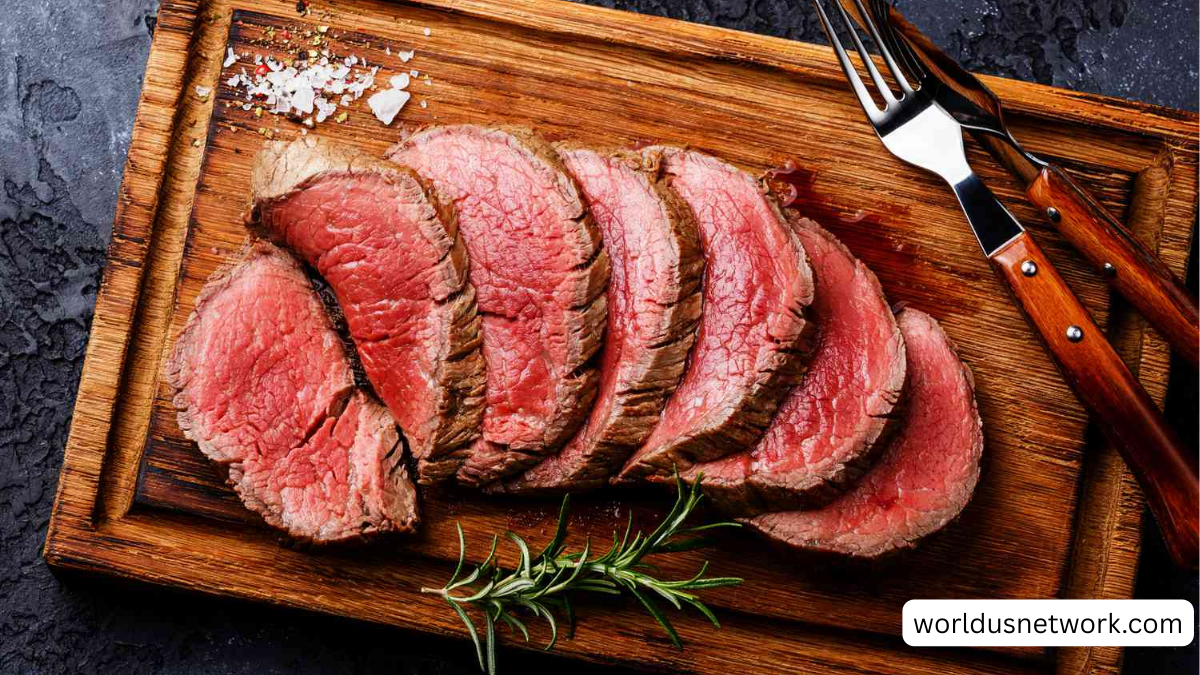
Few dishes carry the same aura of elegance, tradition, and culinary prestige as chateaubriand. More than a steak, it represents a philosophy of cooking centered on precision, restraint, and respect for exceptional ingredients. For chefs, food historians, and passionate home cooks alike, the dish stands as a benchmark of classic fine dining and timeless technique.
This comprehensive guide explores every dimension of the celebrated preparation—from its historical origins and butcher science to cooking mastery, cultural significance, and modern reinterpretations. Designed as an enterprise-level authority resource, this article blends culinary expertise with practical insight, helping readers fully understand why this iconic centerpiece continues to define refined dining experiences worldwide.
The Historical Origins of a Legendary Dish
The story of chateaubriand begins in early nineteenth-century French gastronomy, a period when culinary refinement became closely linked to aristocratic culture. The dish is traditionally associated with François-René de Chateaubriand, a French diplomat and writer whose personal chef is believed to have developed a luxurious preparation using the most tender portion of beef.
While historical details vary, culinary historians agree that the dish symbolized refinement rather than extravagance. Its simplicity emphasized perfect ingredients and flawless technique, marking a shift away from heavily sauced medieval cuisine toward modern French culinary philosophy.
Understanding the Cut of Meat
At its core, chateaubriand refers to a thick center cut taken from the beef tenderloin, prized for extraordinary tenderness and delicate flavor. Unlike standard steaks portioned for individual servings, this cut is typically prepared as a shared centerpiece designed for slicing at the table.
The tenderness comes from minimal muscle usage in the animal, producing fine grain and buttery texture. Because flavor intensity is subtler than ribeye or strip steak, cooking technique and seasoning precision become essential elements of success.
Why the Tenderloin Matters
The tenderloin represents one of the most valuable sections of beef due to limited yield per animal. Only a small portion qualifies for true chateaubriand preparation, which contributes to its reputation as a luxury dish.
Chefs value the cut not just for softness but for consistency. Uniform structure allows even cooking, making it ideal for roasting or pan-searing methods that demand predictable internal temperature control.
Traditional Preparation Philosophy
Classic French cuisine approaches chateaubriand with restraint. Rather than masking flavor, preparation highlights natural beef character through careful seasoning, balanced heat, and attentive resting periods.
Traditional techniques often involve searing at high heat followed by gentle roasting. This method creates contrast between a caramelized exterior and a uniformly pink interior, reflecting the French culinary principle that technique should elevate, not dominate, ingredients.
The Role of Sauce in Classic Service
Historically, the dish is paired with a rich sauce, often derived from reductions, butter emulsions, or wine-based preparations. The sauce complements the meat’s subtle flavor without overwhelming it.
Sauces such as béarnaise or demi-glace provide acidity and richness that balance tenderness. Proper pairing transforms the experience into a harmonious composition rather than a simple steak presentation.
Selecting Quality Beef
Successful preparation begins long before cooking, starting with careful sourcing. High-quality beef exhibits fine marbling, vibrant color, and firm texture, indicating freshness and proper aging.
Dry-aged tenderloin is frequently preferred because controlled moisture loss concentrates flavor. However, wet-aged cuts remain popular for their milder taste and accessibility.
Butchery Techniques and Precision Cutting
Professional butchers shape the tenderloin to achieve uniform thickness, ensuring consistent cooking throughout. Trimming excess connective tissue prevents toughness and enhances visual presentation.
Precision cutting also minimizes waste, preserving the integrity of the central portion reserved specifically for chateaubriand. This attention to detail distinguishes restaurant-quality preparation from casual steak cutting.
Seasoning Principles That Enhance Flavor
Seasoning should enhance natural qualities rather than disguise them. Salt applied ahead of cooking allows surface moisture to dissolve seasoning, improving crust formation during searing.
Pepper, herbs, and subtle aromatics are used sparingly. Overcomplication risks overpowering the refined flavor profile that defines the dish’s identity.
Cooking Methods Explained
Multiple cooking techniques can achieve excellent results when executed properly. Pan-searing followed by oven finishing remains the most widely practiced method among chefs.
Some modern kitchens employ reverse searing, slowly bringing the meat to temperature before applying intense heat for crust development. This approach offers exceptional control and reduces risk of overcooking.
Temperature Control and Doneness
Precision temperature management determines success more than any other factor. Medium-rare remains the traditional target because it preserves tenderness and moisture.
Using a thermometer removes guesswork. Even experienced chefs rely on temperature monitoring to ensure consistency, especially when preparing thick cuts intended for shared service.
Resting and Carving Techniques
Resting allows juices to redistribute throughout the meat after cooking. Skipping this step leads to moisture loss when slicing, reducing overall quality.
Carving across the grain produces tender slices and elegant presentation. Proper slicing transforms a large roast into individual portions while maintaining texture integrity.
Traditional Side Dishes and Accompaniments
Classic accompaniments include roasted potatoes, seasonal vegetables, and delicate purées that support rather than compete with the main dish. Balance remains the guiding principle.
Lightly seasoned sides create contrast in texture and flavor, ensuring the centerpiece remains the focus of the dining experience.
The Role of Butter in French Technique
Butter contributes richness, aroma, and visual sheen. Many chefs baste the meat during cooking, allowing melted butter to carry flavor evenly across the surface.
This technique enhances crust development while subtly enriching taste, reinforcing the luxurious reputation associated with chateaubriand.
Restaurant Presentation and Table Service
In fine dining environments, presentation becomes theatrical. The roast may be carved tableside, emphasizing craftsmanship and hospitality.
Such service rituals connect diners to culinary tradition, transforming a meal into an experience that feels both personal and ceremonial.
Comparing Chateaubriand With Other Premium Cuts
Understanding differences between cuts helps clarify why this preparation occupies a unique place in culinary culture.
| Cut | Texture | Flavor Intensity | Typical Cooking Style | Serving Style |
|---|---|---|---|---|
| Chateaubriand | Extremely tender | Mild, refined | Roast + sear | Shared centerpiece |
| Ribeye | Tender with fat | Rich, bold | Grilling | Individual steak |
| Strip Steak | Firm yet tender | Balanced | Pan-seared | Individual serving |
| Filet Mignon | Very tender | Delicate | Quick sear | Single portion |
| Porterhouse | Mixed textures | Robust | Grilling | Large individual cut |
This comparison highlights how chateaubriand prioritizes texture elegance over aggressive flavor intensity.
Cooking at Home With Confidence
Home cooks often assume the dish requires professional equipment, but careful preparation makes success achievable in standard kitchens. Quality ingredients and patience matter more than complexity.
A heavy skillet, reliable oven, and accurate thermometer provide all necessary tools. Confidence grows quickly once cooks understand timing and temperature fundamentals.
Wine Pairing Fundamentals
Wine pairing enhances flavor perception through contrast and balance. Medium- to full-bodied reds complement tenderness without overpowering subtle notes.
Structured wines with moderate tannins support richness while allowing the meat’s natural character to remain dominant.
Global Interpretations and Adaptations
Though rooted in French tradition, chefs worldwide reinterpret the dish using local ingredients and cultural influences. Variations may incorporate regional spices or alternative sauces.
These adaptations demonstrate culinary evolution while preserving the essence of chateaubriand: exceptional meat prepared with intentional simplicity.
Modern Culinary Trends Influencing Preparation
Contemporary chefs emphasize sustainability, ethical sourcing, and minimal waste. Nose-to-tail philosophy encourages thoughtful use of remaining tenderloin portions.
Modern plating styles also favor cleaner aesthetics, reflecting evolving diner preferences for elegance combined with authenticity.
Common Misconceptions About the Dish
One misconception is that chateaubriand refers to a recipe rather than a specific cut and preparation style. In reality, both elements are intertwined through tradition.
Another myth suggests extreme complexity. While technique matters, the dish succeeds through discipline and attention rather than elaborate procedures.
Nutritional Perspective and Balance
Despite its luxurious reputation, the tenderloin is relatively lean compared with many premium cuts. Proper portioning allows it to fit within balanced dietary approaches.
Protein density, iron content, and satiety value make it a satisfying centerpiece when paired with vegetables and moderate accompaniments.
The Psychology of Luxury Dining
Luxury dining relies as much on perception as flavor. Anticipation, presentation, and storytelling shape how diners experience a meal.
Serving chateaubriand communicates celebration and intention, signaling that a moment deserves attention and care.
Hosting Special Occasions Around Signature Dishes
Large centerpiece dishes encourage shared experiences and conversation. Serving a roast fosters communal dining traditions often lost in individual plating styles.
Hosts frequently choose this preparation for anniversaries, holidays, or milestone gatherings where symbolism matters as much as taste.
Cost Factors and Value Perception
Price reflects scarcity, quality grading, and preparation expertise. While premium, the shared nature of the dish often balances cost per serving.
Understanding value beyond price helps diners appreciate craftsmanship, sourcing ethics, and culinary heritage embedded in each serving.
Sustainability and Ethical Sourcing
Responsible sourcing increasingly influences consumer decisions. Grass-fed and humanely raised cattle align with modern ethical expectations.
Chefs and suppliers collaborate to ensure transparency, recognizing that sustainability contributes to long-term culinary excellence.
Culinary Education and Skill Development
Culinary schools frequently teach chateaubriand as a benchmark exercise. Students learn temperature control, sauce making, and carving precision simultaneously.
Mastering the preparation builds confidence transferable to many other cooking techniques and protein preparations.
Cultural Symbolism in Fine Dining
The dish symbolizes refinement without excess, representing a culinary philosophy that values balance and intention. Its endurance reflects timeless appeal.
Food historian Jean Anthelme Brillat-Savarin famously observed, “The discovery of a new dish does more for happiness than the discovery of a star,” a sentiment that captures the emotional power of great cooking.
Technology and Precision Cooking
Modern kitchens increasingly employ sous-vide techniques to achieve precise internal temperatures. Controlled water baths eliminate variability and ensure consistency.
After sous-vide cooking, a high-heat sear creates the traditional crust, merging scientific precision with classical flavor development.
Pairing With Seasonal Ingredients
Seasonality enhances freshness and sustainability. Spring vegetables, autumn mushrooms, or winter root vegetables create evolving flavor contexts throughout the year.
Seasonal adaptation keeps chateaubriand relevant across changing culinary landscapes while preserving its central identity.
Future Evolution of Classic Dishes
Classic dishes survive because they adapt. Chefs reinterpret tradition while respecting foundational principles.
As culinary innovation continues, chateaubriand remains a canvas for creativity grounded in timeless technique and ingredient respect.
Conclusion
Across centuries of culinary evolution, chateaubriand has remained a symbol of mastery, elegance, and thoughtful cooking. Its enduring appeal lies not in complexity but in balance—premium ingredients guided by disciplined technique and intentional presentation.
Whether served in a Michelin-starred restaurant or prepared at home for a meaningful celebration, the dish represents a connection between history and modern dining. Understanding its origins, preparation methods, and cultural significance allows cooks and diners alike to appreciate why this classic continues to define excellence in cuisine.
FAQ
What exactly is chateaubriand?
Chateaubriand refers to a thick center cut of beef tenderloin traditionally roasted and served as a shared centerpiece, emphasizing tenderness and refined cooking technique.
Is chateaubriand the same as filet mignon?
While both come from the tenderloin, chateaubriand is a larger roast meant for multiple servings, whereas filet mignon is individually portioned.
How should chateaubriand be cooked?
Most chefs recommend searing followed by oven roasting to achieve a caramelized exterior and evenly pink interior while preserving moisture.
Why is chateaubriand considered expensive?
Limited yield from each animal, premium quality standards, and precise preparation techniques contribute to the higher cost associated with chateaubriand.
Can beginners cook chateaubriand successfully?
Yes, beginners can prepare chateaubriand successfully by focusing on temperature control, proper resting time, and simple seasoning methods.