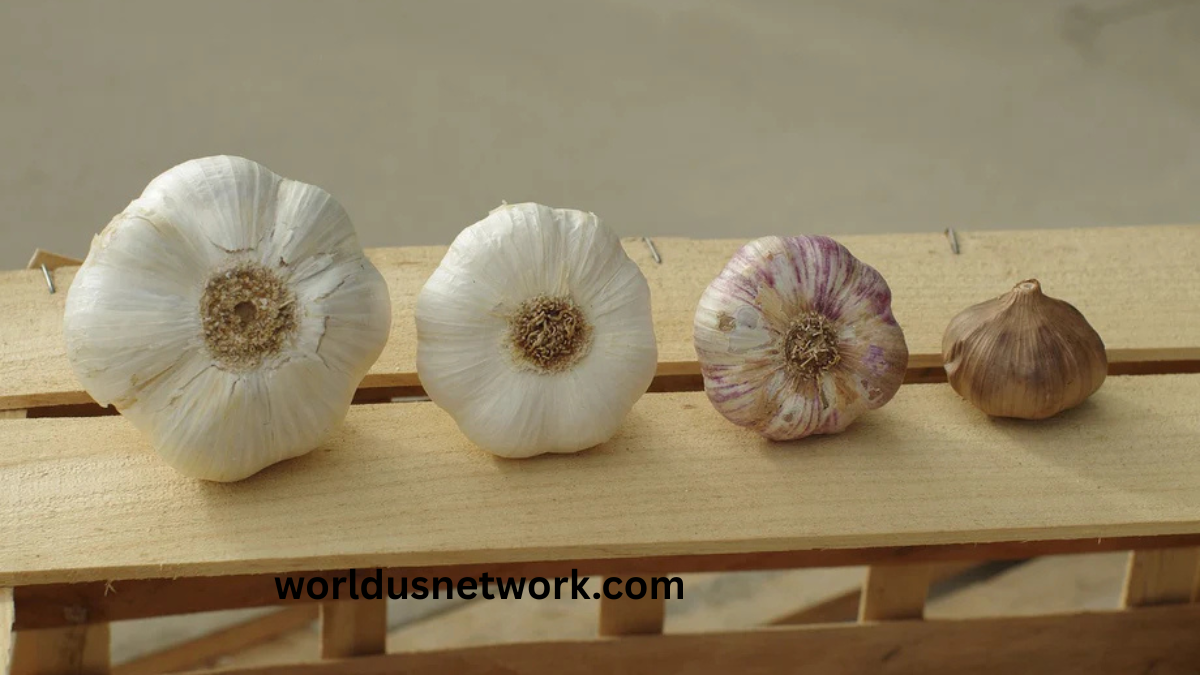
Elephant garlic is one of those plants that instantly grabs attention. The name alone makes you curious. Is it really garlic? Why is it so big? And does it taste the same as the cloves we crush into pasta sauce every week? If you have ever walked through a farmers market and spotted massive garlic bulbs the size of a tennis ball, chances are you were looking at elephant garlic. It stands out because of its impressive size, mild flavor, and versatility in the kitchen and garden.
What makes elephant garlic especially interesting is that it bridges two culinary worlds. It offers the aromatic qualities people love in garlic but without the overpowering sharpness. Gardeners appreciate it for its reliability and dramatic appearance, while cooks value it for its subtle sweetness when roasted. In this guide, you will learn everything from what elephant garlic actually is to how you can grow, harvest, cook, and store it successfully.
What Is Elephant Garlic, Really?
Despite its name, elephant garlic is not true garlic. Botanically, it belongs to the same species as leeks, not regular garlic. While traditional garlic is classified as Allium sativum, elephant garlic falls under Allium ampeloprasum. That means it is more closely related to leeks than to the garlic cloves you typically buy in the grocery store. This botanical detail explains many of its unique traits, including its milder taste and larger bulb size.
Physically, elephant garlic looks like an oversized version of regular garlic. The bulbs are massive, often producing just a few very large cloves instead of many small ones. Each clove can be several times bigger than standard garlic cloves. The plant also produces tall stalks and broad leaves similar to leeks. These characteristics make it both visually striking and practical for home gardeners who want something different in their planting beds.
Elephant Garlic vs Regular Garlic
The most noticeable difference between elephant garlic and regular garlic is flavor. Regular garlic delivers a sharp, pungent bite that intensifies when raw. Elephant garlic, on the other hand, offers a mild, slightly sweet taste. When eaten raw, it has a gentle onion-like flavor. When roasted, it becomes creamy and almost buttery, making it ideal for spreads and dips.
Texture also sets the two apart. Because elephant garlic cloves are so large, they are easier to peel and slice. This makes food preparation quicker and more convenient. Nutritionally, both contain beneficial compounds found in the allium family, but regular garlic typically has higher concentrations of allicin, the compound responsible for its strong aroma and many of its health benefits. Choosing between them depends on your cooking goals. If you want bold flavor, go with regular garlic. If you prefer subtle sweetness and versatility, elephant garlic is an excellent choice.
Nutritional Value and Health Benefits
Elephant garlic provides a range of nutrients that support overall health. Like other members of the allium family, it contains vitamins such as vitamin C and B6, along with minerals like manganese and potassium. It also offers antioxidants that help combat oxidative stress in the body. While its allicin content may be lower than that of traditional garlic, it still contributes beneficial plant compounds that support wellness.
Many people turn to allium vegetables for heart and immune support. Elephant garlic may help promote healthy circulation and support immune function due to its antioxidant and sulfur-containing compounds. Its milder nature can also make it easier to digest for individuals who find regular garlic too harsh on the stomach. However, as with any food, moderation is key. People sensitive to allium vegetables should introduce it gradually into their diet.
How Elephant Garlic Tastes
Taste is where elephant garlic truly shines. Raw, it offers a delicate flavor that sits somewhere between garlic and a sweet onion. It does not overwhelm your palate, making it suitable for salads, dressings, and light dishes where subtlety matters. If you enjoy the aroma of garlic but dislike its intensity, elephant garlic provides a balanced alternative.
When cooked, the transformation is remarkable. Roasting elephant garlic softens its texture and enhances its sweetness. The cloves become creamy and spreadable, almost like roasted chestnuts in consistency. This makes it perfect for spreading on bread, blending into mashed potatoes, or incorporating into sauces. Its ability to mellow during cooking gives chefs and home cooks more flexibility in flavor layering.
Culinary Uses of Elephant Garlic
In the kitchen, elephant garlic opens up creative possibilities. Roasting whole bulbs is one of the most popular methods. Simply slice the top, drizzle with olive oil, wrap in foil, and bake until soft. The result is a rich, sweet paste that can elevate everything from pasta to grilled vegetables.
It also works beautifully in soups and stews. Because its flavor is milder, you can use larger quantities without overpowering the dish. Sliced elephant garlic can be sautéed as a base for sauces or blended into compound butter. Some cooks even pickle the cloves for a tangy twist. Its size makes preparation easier and more efficient, especially when cooking for a crowd.
How to Grow Elephant Garlic
Growing elephant garlic is surprisingly simple. It thrives in well-drained soil and prefers full sun. Most gardeners plant it in the fall, similar to traditional garlic. The cloves are separated and planted individually, pointy side up, a few inches deep in the soil. Proper spacing is essential because the bulbs grow large and need room to expand.
Elephant garlic performs well in moderate climates and can tolerate cooler temperatures. It requires consistent watering during its growth period but should not sit in waterlogged soil. Adding compost before planting improves soil fertility and encourages larger bulb development. With the right conditions, you can expect a satisfying harvest in late spring or early summer.
Harvesting and Storing Elephant Garlic
Knowing when to harvest elephant garlic is crucial for maximizing bulb size and flavor. Typically, it is ready when the lower leaves begin to yellow and dry out. Carefully loosen the soil around the bulbs and lift them without damaging the outer layers. Avoid pulling directly on the stalk, as this can break the stem and harm the bulb.
After harvesting, curing is essential. Lay the bulbs in a dry, well-ventilated area for several weeks. This process helps extend shelf life and enhances flavor. Once cured, elephant garlic can be stored in a cool, dry place for several months. Proper storage ensures you can enjoy your harvest long after the growing season ends.
Common Problems and Solutions
Like any garden crop, elephant garlic can face challenges. Poor bulb development often results from overcrowding or insufficient nutrients. Ensuring proper spacing and enriching the soil before planting can prevent this issue. Overwatering may lead to rot, so well-drained soil is essential.
Pests such as onion flies or fungal diseases can occasionally affect plants. Crop rotation and good garden hygiene help minimize these risks. Removing affected plants promptly prevents the spread of disease. With attentive care, most problems can be avoided, allowing you to enjoy a healthy and productive crop.
Conclusion
Elephant garlic is more than just a novelty vegetable. Its impressive size, mild flavor, and versatility make it a valuable addition to both garden beds and kitchen counters. Whether you are a seasoned gardener or someone experimenting with new ingredients, this giant bulb offers a rewarding experience from planting to plate. By understanding its unique characteristics and care requirements, you can make the most of what elephant garlic has to offer.
Also Read: colby jack