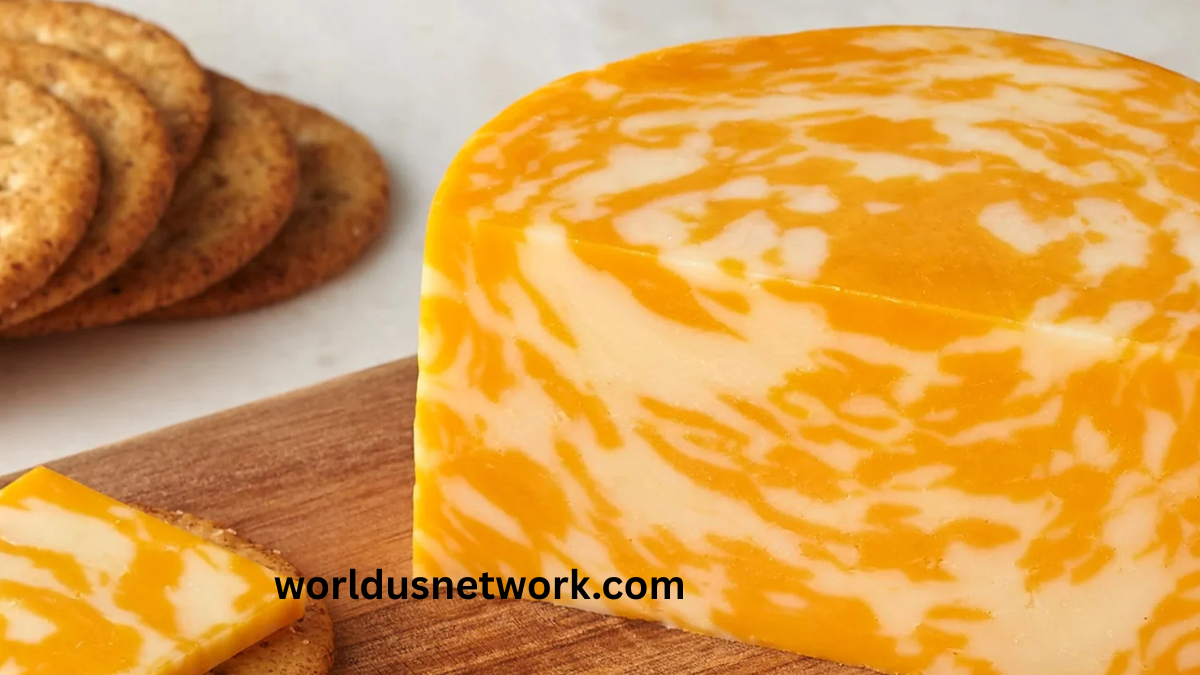
Walk into almost any Colby Jack grocery store in the United States and you will likely spot a block of beautifully marbled orange and white cheese sitting proudly in the dairy aisle. That eye-catching cheese is Colby Jack, a household favorite known for its mild flavor and smooth melt. Whether it’s layered into a burger, melted over nachos, or sliced for a quick snack has earned its place in American kitchens. Its versatility makes it a staple for families, chefs, and food lovers alike.
What makes Colby Jack stand out is not just its appearance but its balance. It is not too sharp, not too bland, and not overly greasy when melted. Instead, it hits that sweet spot between creamy and firm, flavorful yet approachable. In this in-depth guide, you’ll learn everything from its origins and production process to its nutritional value, best culinary uses, storage tips, and how it compares to other cheeses. By the end, you will have a complete understanding of why Colby Jack continues to dominate the cheese aisle.
What Is Colby Jack?
Colby Jack is a semi-hard cheese made by combining two popular varieties: Colby and Monterey Jack. The result is a marbled cheese that blends the mild, milky flavor of Monterey Jack with the slightly tangy and creamy notes of Colby. The signature orange and white pattern is created by mixing curds from both cheeses before pressing them into blocks. This unique visual appeal alone has helped it stand out among other cheeses on the shelf.
In terms of taste, Colby Jack is mild, buttery, and slightly sweet. It is less sharp than traditional Cheddar and softer in texture, making it ideal for melting. The cheese has a smooth, elastic body that slices cleanly and shreds easily. Because it is not aged for long periods, its flavor remains approachable and family-friendly. This balanced profile makes Colby Jack suitable for everything from children’s lunches to gourmet comfort food recipes.
The Origin and History of Colby Jack
The story of begins with two separate cheeses. Colby cheese was first developed in the late 19th century in Wisconsin, a state known for its rich dairy heritage. It was created as a milder alternative to Cheddar, using a slightly different process that retained more moisture. Meanwhile, Monterey Jack originated in California and became popular for its creamy texture and excellent melting qualities.
At some point in the 20th century, cheesemakers decided to combine the two curds before pressing. The result was Colby Jack, sometimes referred to as “Co-Jack.” This innovation offered the best of both worlds: the color and subtle tang of Colby paired with the smooth melt of Monterey Jack. The cheese quickly gained popularity due to its visual appeal and adaptability in cooking. Today, it remains one of the most widely consumed marbled cheeses in the United States.
How Colby Jack Is Made
The production of Colby Jack begins with pasteurized cow’s milk. The milk is heated and combined with starter cultures and rennet to form curds. For Colby cheese, the curds are washed to reduce acidity and create a milder flavor. Monterey Jack curds, on the other hand, are handled slightly differently to achieve their characteristic smoothness. Both sets of curds are prepared separately before being combined.
Once the orange-tinted Colby curds and white Monterey Jack curds are mixed, they are pressed together into molds. This blending step creates the iconic marbled pattern. After pressing, the cheese is salted and allowed to age for a short period, usually just a few weeks. Because it is not aged extensively maintains a soft, moist texture and mild taste. Large-scale commercial producers follow similar steps, although artisan cheesemakers may experiment with milk quality and aging times for subtle flavor variations.
Taste, Texture, and Melting Properties
One of the biggest reasons Colby Jack is so popular is its melting performance. When heated, it becomes creamy and smooth without separating into oil and solids too quickly. This makes it a reliable option for dishes like grilled cheese sandwiches, quesadillas, and casseroles. It melts evenly, coating ingredients with a rich, velvety layer of cheese.
Texture-wise, Colby Jack is semi-hard but still pliable. It can be sliced thin for sandwiches or shredded for topping dishes. Its flavor remains mild even when melted, meaning it enhances dishes without overpowering other ingredients. Compared to sharper cheeses offers comfort rather than intensity. That balance is exactly why it works so well in everyday meals.
Nutritional Value of Colby Jack
Colby Jack provides a solid source of protein and calcium, both essential for muscle health and strong bones. A typical serving contains a moderate amount of calories and fat, largely from dairy fats that contribute to its creamy texture. It also contains important nutrients like vitamin A and phosphorus, which support immune function and bone health.
However, like most cheeses, it should be enjoyed in moderation. It contains saturated fat and sodium, which can contribute to health concerns if consumed excessively. For those following low-carb or ketogenic diets, Colby Jack can be a suitable option due to its high fat and protein content with minimal carbohydrates. As with any dairy product, portion control is key to balancing flavor and nutrition.
Colby Jack vs. Other Cheeses
When compared to Cheddar, Colby Jack is milder and less crumbly. Cheddar tends to have a sharper, more pronounced flavor, especially when aged. Colby Jack, on the other hand, remains smooth and mellow. Compared to Monterey Jack alone has slightly more color and a hint of additional tang from the Colby portion.
Unlike processed American cheese, Colby Jack is considered a natural cheese made through traditional methods. It does not contain the emulsifying salts found in many processed slices. This makes it more appealing to consumers looking for a natural dairy product while still enjoying excellent meltability.
Culinary Uses of Colby Jack
Colby Jack shines in comfort foods. It is a favorite for burgers because it melts beautifully over a hot patty without becoming greasy. It also works well in Mexican-inspired dishes like tacos and nachos, where its creamy melt complements spicy ingredients. In casseroles, it binds ingredients together while adding a subtle richness.
Beyond hot dishes, Colby Jack is ideal for snacking and cheese boards. Its mild flavor pairs well with crackers, fresh fruit, and deli meats. Because it is easy to shred, many home cooks keep a block on hand for quick meal preparation. Its adaptability is one of the main reasons it remains a go-to cheese for families.
Storage and Shelf Life
To maintain freshness, Colby Jack should be stored in the refrigerator at a consistent temperature. Wrapping it in wax paper and then loosely in plastic wrap helps preserve moisture while allowing the cheese to breathe. Proper storage prevents it from drying out or developing unwanted mold.
If unopened, it can last several weeks in the refrigerator. Once opened, it is best consumed within a few weeks for optimal flavor. Freezing is possible but may slightly alter the texture, making it more crumbly. Always check for changes in smell, texture, or visible mold before consuming.
Conclusion
Colby Jack remains a staple in American kitchens for good reason. Its attractive marbled look, mild flavor, and excellent melting qualities make it one of the most versatile cheeses available. Whether you are building the perfect burger, preparing a comforting casserole, or simply slicing cheese for a snack, Colby Jack delivers consistent results.
From its origins in Wisconsin and California to its widespread popularity today, this marbled cheese continues to win over consumers. Balanced, approachable, and easy to cook with, Colby Jack proves that sometimes the best flavors come from combining two classics into one delicious creation.
FAQs
1. What is Colby Jack made from?
It is made from cow’s milk by combining Colby and Monterey Jack curds.
2. Does Colby Jack melt well?
Yes, it melts smoothly and evenly, making it ideal for hot dishes.
3. Is Colby Jack stronger than Cheddar?
No, it is generally milder and less sharp than Cheddar.
4. Can you freeze Colby Jack?
Yes, but freezing may slightly change its texture.
5. Is Colby Jack a natural cheese?
Yes, it is produced using traditional cheesemaking methods without processed additives.
Also Read: donut peach