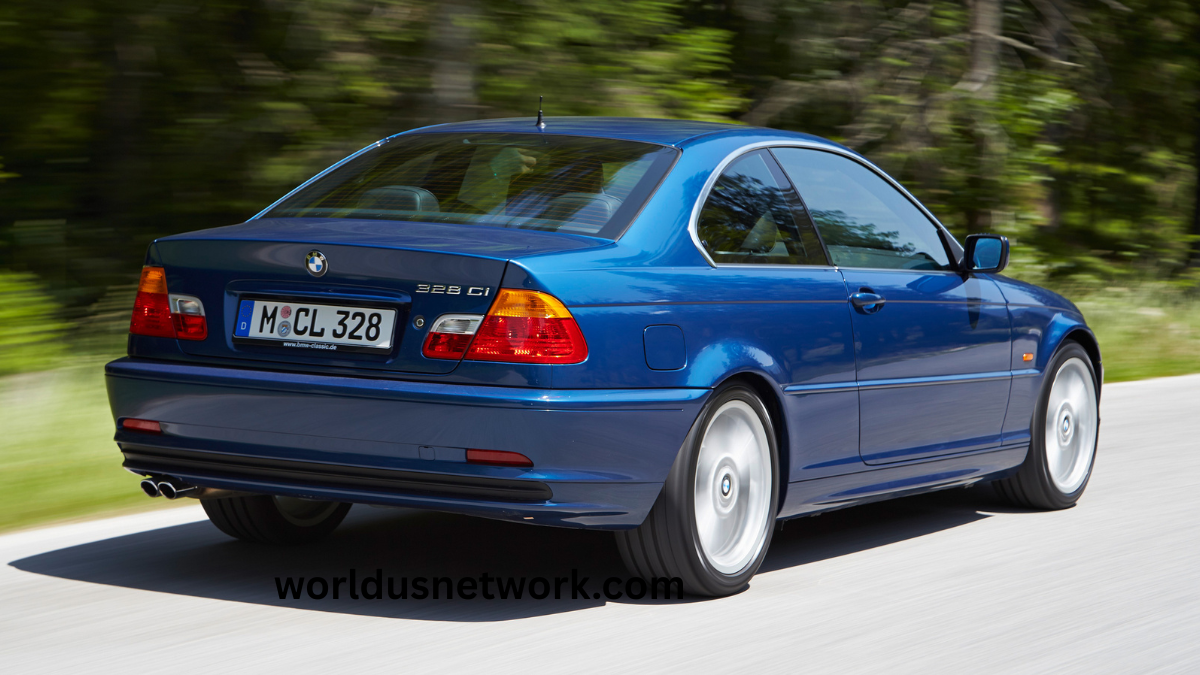
The BMW BMW E46 stands as one of the most respected and loved models in BMW’s history. Produced between 1998 and 2006, it represents the third generation of the 3 Series and built a strong reputation for balanced performance, strong engine options, and engaging driving dynamics. Even today, enthusiasts search for clean examples because the car offers a mix of classic driving feel and modern reliability. Its design still looks attractive on the road, proving that good engineering never goes out of style.
One reason the BMW BMW E46 remains popular is its perfect balance between comfort and sportiness. It was built to deliver sharp handling without sacrificing daily usability. Whether you are driving the sedan, coupe, convertible, or wagon version, the experience feels connected and responsive. Many drivers consider it one of the best driver-focused models ever produced by BMW.
Another important factor is its strong community support and aftermarket availability. Parts are widely available, and tuning options are endless. From simple maintenance upgrades to full performance builds, the platform supports customization. Because of this strong foundation, the E46 continues to attract both collectors and performance lovers who want a reliable project car or daily driver.
History and Evolution of the BMW E46
The BMW BMW E46 was introduced in 1998 as the successor to the E36. It marked a major upgrade in terms of design, technology, and performance refinement. BMW focused heavily on improving chassis rigidity and safety while keeping the sporty personality intact. Over its production years, the model received several updates to engines, styling, and interior features, making it more advanced with each revision.
During its lifecycle, the E46 came in different body styles including sedan, coupe, convertible, and touring. This variety allowed buyers to choose a version that suited their lifestyle. Early models featured classic BMW styling with clean lines and compact proportions. Later facelift versions introduced updated headlights, redesigned taillights, and improved interior materials, giving the car a more modern look.
The market response to the E46 was extremely positive. It quickly became one of BMW’s best-selling 3 Series generations. Enthusiasts appreciated its balanced chassis and strong engine performance. Even after production ended in 2006, demand remained strong. Today, well-maintained examples hold value because collectors recognize its importance in BMW history and its role as a performance benchmark for compact luxury sedans.
Engine Options, Performance & Technical Specifications
One of the biggest strengths of the BMW BMW E46 lies in its engine lineup. BMW offered multiple petrol and diesel engine options to suit different driving preferences. The four-cylinder engines provided solid fuel efficiency, while the six-cylinder variants delivered smoother power and stronger acceleration. This flexibility allowed buyers to choose based on performance goals and budget.
The six-cylinder engines, especially the M54 series, became highly popular for their reliability and performance balance. They produce smooth power delivery and a satisfying engine sound that enhances the driving experience. The top performance version, the BMW E46 M3, came with a high-revving inline-six engine that produced impressive horsepower and track-ready performance. It remains one of the most celebrated performance cars from its era.
Transmission options included manual and automatic gearboxes, along with rear-wheel drive as standard. The rear-wheel-drive layout contributes to better weight distribution and improved handling control. Suspension tuning also played a major role in delivering sharp cornering ability. Combined with responsive steering feedback, the E46 offers an engaging driving feel that modern cars sometimes struggle to replicate.
Fuel efficiency varies depending on engine choice and driving style. Smaller engines deliver better mileage for daily commuting, while performance models prioritize power over efficiency. Overall, the technical package of the BMW BMW E46 creates a strong foundation for both daily driving and spirited performance use.
Common Problems, Maintenance & Reliability
Like any aging performance car, the BMW BMW E46 comes with known mechanical issues that potential buyers should understand. Cooling system problems are among the most common concerns. Components such as the radiator, expansion tank, and water pump can wear out over time. Regular inspection and preventive replacement help avoid major engine damage.
Electrical issues can also appear as the car ages. Window regulators, sensor failures, and dashboard warning lights sometimes require attention. While these problems are not catastrophic, they require proper diagnosis and maintenance. Many owners report that consistent care significantly improves long-term reliability.
Engine and transmission maintenance plays a key role in preserving performance. Oil changes, fluid replacements, and proper service intervals extend engine life. The inline-six engines are generally reliable if maintained correctly. However, neglecting maintenance can lead to expensive repairs later. Buying a used E46 with a detailed service history is always recommended.
Ownership costs remain reasonable compared to newer luxury cars, but maintenance discipline is essential. The platform rewards careful ownership. With regular servicing and timely repairs, the BMW BMW E46 can deliver many years of enjoyable driving without major mechanical failures.
Modifications, Tuning & Customization
The BMW BMW E46 is highly popular in the modification scene. Enthusiasts love upgrading it for better performance and improved appearance. Common performance upgrades include cold air intakes, upgraded exhaust systems, and ECU tuning. These modifications can increase horsepower and improve throttle response without compromising reliability when done properly.
Suspension upgrades are another popular modification area. Many owners install lowering springs, coilovers, or performance shock absorbers to enhance handling and improve stance. Brake upgrades also improve stopping power for those who push the car on track days or spirited drives. These changes significantly improve driving confidence.
Exterior customization allows owners to personalize the vehicle. Popular upgrades include aftermarket wheels, body kits, LED lighting, and updated headlights. Interior modifications may include upgraded infotainment systems, sport steering wheels, and custom upholstery. Because the aftermarket support is strong, customization options are nearly unlimited.
Tuning projects often transform the E46 into a powerful track machine or show car. However, it is important to choose quality parts and professional installation to maintain reliability. Proper planning ensures that performance gains remain balanced with durability.
BMW E46 Market Value & Buying Guide
Market value for the BMW BMW E46 varies depending on condition, mileage, and model variant. Standard sedan models are usually more affordable, while coupe and M3 versions demand higher prices. Well-maintained examples with service records typically hold stronger resale value.
When buying an E46, condition matters more than mileage alone. Buyers should inspect the cooling system, suspension components, and engine performance carefully. Checking for rust, accident repairs, and oil leaks is essential. A professional inspection can save money and prevent unexpected repair costs.
The BMW BMW E46 M3 holds strong collector value due to its performance reputation and limited production numbers. Clean, low-mileage examples often appreciate over time. Even non-M3 variants can become valuable if preserved in original condition.
Smart buyers focus on maintenance history and mechanical condition instead of cosmetic upgrades alone. A well-maintained car always provides better long-term value compared to a neglected example with shiny modifications.
BMW E46 vs Competitors
Compared to its predecessor, the E36, the BMW BMW E46 offers improved chassis stiffness, better safety features, and more refined technology. It feels more modern while preserving the classic BMW driving spirit. Many enthusiasts prefer it over older generations due to improved reliability and interior comfort.
When compared to competitors like Audi and Mercedes models from the same era, the E46 stands out for its driving dynamics. Its rear-wheel-drive layout provides better balance and sharper handling. While competitors focus heavily on comfort and luxury, the E46 prioritizes driver engagement.
The strong community support also gives it an advantage. Aftermarket parts, repair guides, and tuning knowledge are widely available. This ecosystem makes ownership easier and more enjoyable for enthusiasts who want to personalize or restore their vehicle.
Conclusion
The BMW BMW E46 remains one of the most iconic 3 Series generations ever built. Its combination of performance, balanced handling, and strong aftermarket support keeps it relevant even years after production ended. Whether used as a daily driver, project car, or collector’s vehicle, it continues to impress drivers around the world.
With proper maintenance and thoughtful upgrades, the E46 delivers a rewarding ownership experience. Its legacy proves that well-engineered vehicles maintain value and admiration long after their release. For enthusiasts seeking a classic BMW with real driving character, the E46 remains a top choice.
FAQs
Is the BMW BMW E46 still worth buying today?
Yes, especially if you find a well-maintained example with service history.
What is the most reliable engine in the BMW BMW E46?
The M54 inline-six engines are generally considered reliable when properly maintained.
How much does maintenance cost for a BMW BMW E46?
Costs vary but remain moderate if regular service is performed and major repairs are avoided.
Is the BMW BMW E46 M3 a good investment?
Yes, clean M3 models have strong collector demand and potential value appreciation.
What common problems should buyers check before purchasing?
Inspect the cooling system, suspension components, oil leaks, and electrical systems carefully.
Also Read: ethiopia flag