The Ethiopia flag stands as one of the most recognizable national symbols in Africa. Its vibrant colors and powerful emblem reflect centuries of history, cultural pride, and political transformation. For Ethiopians, the flag is more than just a piece of fabric. It represents unity, resilience, and independence that has shaped the nation through different eras. The design carries deep meaning that connects the past with the present and future.
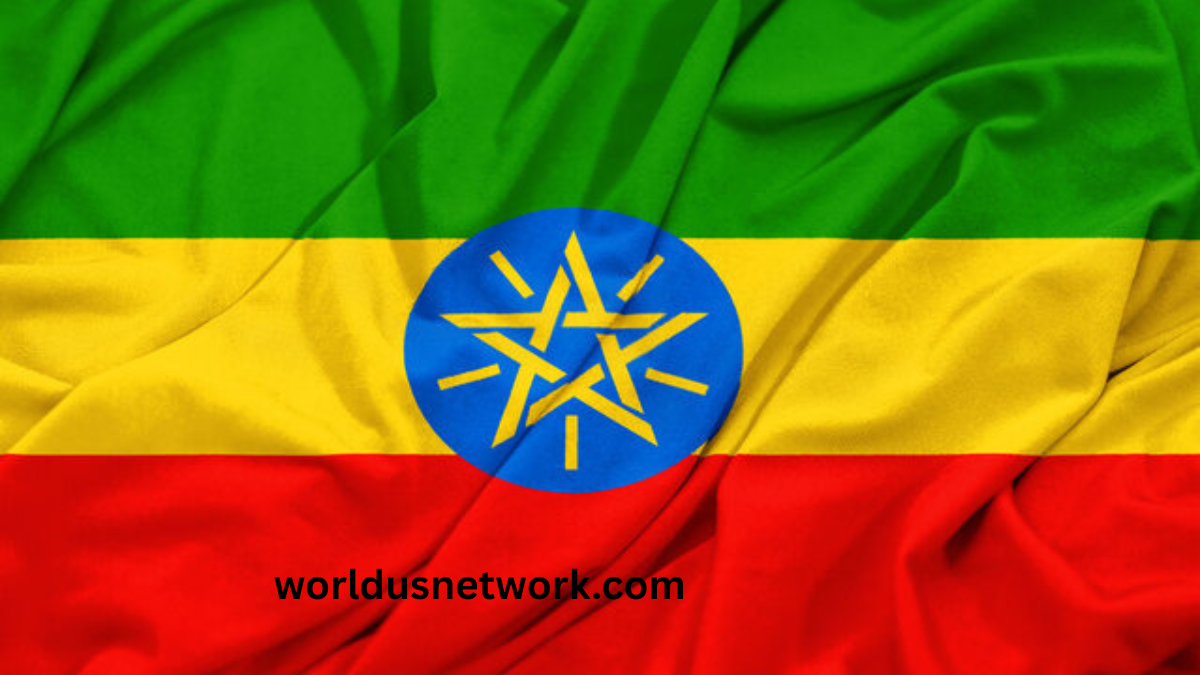
The flag features three horizontal stripes in green, yellow, and red, along with a blue circle at the center that contains a golden star symbol. These elements are not random. Each color and symbol has a purpose and reflects important values of the nation. Over time, the flag has evolved alongside Ethiopia’s political changes, yet it has retained core elements that preserve national identity.
Historically, Ethiopia has maintained its sovereignty for centuries, standing strong against colonial influence. This independence makes its flag even more meaningful. It represents freedom and self-determination. Today, the Ethiopia flag is displayed during national holidays, international events, and government functions as a proud reminder of the country’s legacy and aspirations.
History and Evolution of the Ethiopia Flag
The history of the Ethiopia flag goes back to the late 19th century when the nation began adopting official symbols to represent its unified state. Early versions of the flag mainly included the three traditional colors without additional symbols. These colors were deeply rooted in Ethiopian heritage and cultural traditions long before formal standardization.
During different political periods, the flag underwent changes. In the monarchy era, the flag sometimes included imperial symbols such as the Lion of Judah. This emblem represented the authority of the emperor and the historical connection to biblical traditions. When political shifts occurred in the 1970s and 1980s, the flag design was modified to reflect new government ideologies. Some versions included socialist symbols that aligned with the political structure of that time.
After political reforms and the establishment of a federal system, the flag was redesigned to include the blue circle and star emblem at the center. This change symbolized unity among Ethiopia’s diverse ethnic groups and regions. Despite these adjustments, the three core colors remained constant, preserving historical continuity. The evolution of the flag reflects Ethiopia’s journey through monarchy, revolution, and modern governance while maintaining its identity.
Meaning and Symbolism of the Colors
The green stripe on the Ethiopia flag represents land, growth, and prosperity. Ethiopia is known for its rich agricultural heritage and fertile landscapes. Green symbolizes the natural resources and hope for economic development. It also reflects the importance of environmental preservation and sustainable growth for future generations.
The yellow stripe stands for harmony, diversity, and peace among different communities. Ethiopia is home to numerous ethnic groups, languages, and traditions. Yellow reflects unity within diversity. It reminds citizens that strength comes from cooperation and mutual respect. This color emphasizes social cohesion and shared national goals despite cultural differences.
The red stripe represents sacrifice, courage, and the struggle for independence. Throughout history, Ethiopians have defended their sovereignty and freedom. Red honors those who sacrificed their lives to protect the nation. It symbolizes bravery and determination in the face of challenges. Together, these three colors create a powerful message about national pride and collective identity that resonates across generations.
The Emblem on the Ethiopia Flag
At the center of the Ethiopia flag lies a blue circle containing a golden five-pointed star and rays. This emblem was introduced to emphasize unity and equality among all citizens. The blue background represents peace and hope for stability within the country. It contrasts with the vibrant stripes and highlights the importance of harmony.
The five-pointed star symbolizes equality among Ethiopia’s diverse ethnic groups. Each point represents equal rights and equal opportunities for all communities. The star radiates light, signifying progress and development. It communicates that every region contributes to national strength and shared prosperity. This symbol reinforces the idea that diversity does not divide the nation but strengthens it.
In modern times, the emblem plays a crucial role in representing federal unity. It reflects political reforms that support regional autonomy while maintaining national cohesion. The design balances tradition with modern governance principles. The emblem ensures that the flag represents not only history but also contemporary values and aspirations for peace and inclusiveness.
Design Specifications and Protocol
The Ethiopia flag follows official design standards to maintain consistency and respect for its symbolism. The proportions, color shades, and emblem placement are regulated by government guidelines. The flag typically maintains a rectangular shape with horizontal stripes of equal size. The emblem is centered precisely to preserve visual balance.
Color accuracy is important when reproducing the flag for official or commercial purposes. The green, yellow, and red shades must match designated color codes to avoid misrepresentation. The blue circle and golden star also follow specific design specifications. These standards ensure that the flag appears uniform across government buildings, schools, and international representations.
Proper flag protocol requires respectful display. The flag should be raised during national celebrations and official events. It must not touch the ground or be displayed in damaged condition. When flown with other flags, it should hold a position of honor. These guidelines protect the dignity of the national symbol and reinforce respect among citizens.
Cultural and International Importance
The Ethiopia flag holds strong cultural significance within the country. During national holidays and historical commemorations, people proudly display the flag in public spaces and homes. It serves as a symbol of collective memory and shared achievements. Sports events and cultural festivals also feature the flag to inspire national unity.
Internationally, the flag represents Ethiopia in diplomatic missions, global organizations, and international forums. It identifies the country on a global stage and strengthens recognition among other nations. The flag’s presence at international summits reinforces Ethiopia’s role in regional cooperation and global discussions.
For Ethiopians living abroad, the flag connects them to their homeland. It fosters a sense of belonging and cultural identity far from home. Whether displayed at community events or private gatherings, the flag remains a powerful reminder of heritage and unity across borders.
Conclusion
The Ethiopia flag is a powerful national symbol that reflects history, resilience, and unity. Its colors carry deep meanings tied to land, peace, sacrifice, and diversity. The central emblem reinforces equality and shared progress among all communities. Over time, the flag has evolved alongside political changes while preserving its core identity.
As Ethiopia continues to grow and develop, the flag remains a constant representation of national pride. It stands as a reminder of past struggles and future aspirations. More than a design, it tells the story of a nation committed to unity and progress.
FAQs
What do the colors of the Ethiopia flag represent?
They symbolize land and growth (green), harmony and diversity (yellow), and sacrifice and freedom (red).
When was the current Ethiopia flag adopted?
The current design with the emblem was officially adopted after political reforms in the 1990s.
What does the star symbol on the Ethiopia flag mean?
It represents unity, equality, and equal rights among Ethiopia’s diverse communities.
How has the Ethiopia flag changed over time?
It evolved through monarchy, socialist periods, and modern federal reforms while retaining core colors.
What are the official specifications of the Ethiopia flag design?
It follows regulated color codes, equal horizontal stripes, and a centered emblem according to government standards.
Also Read: dennis bowman